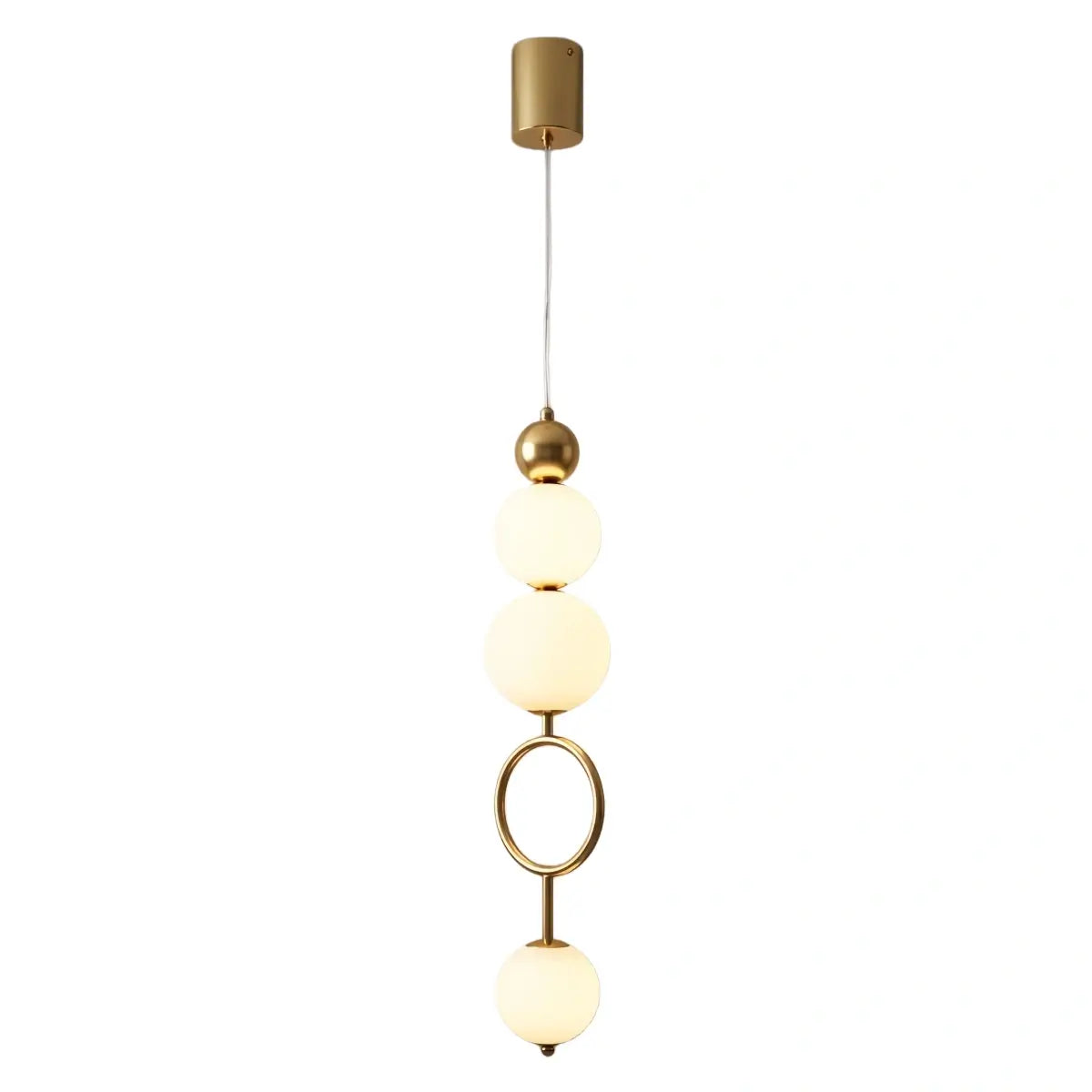
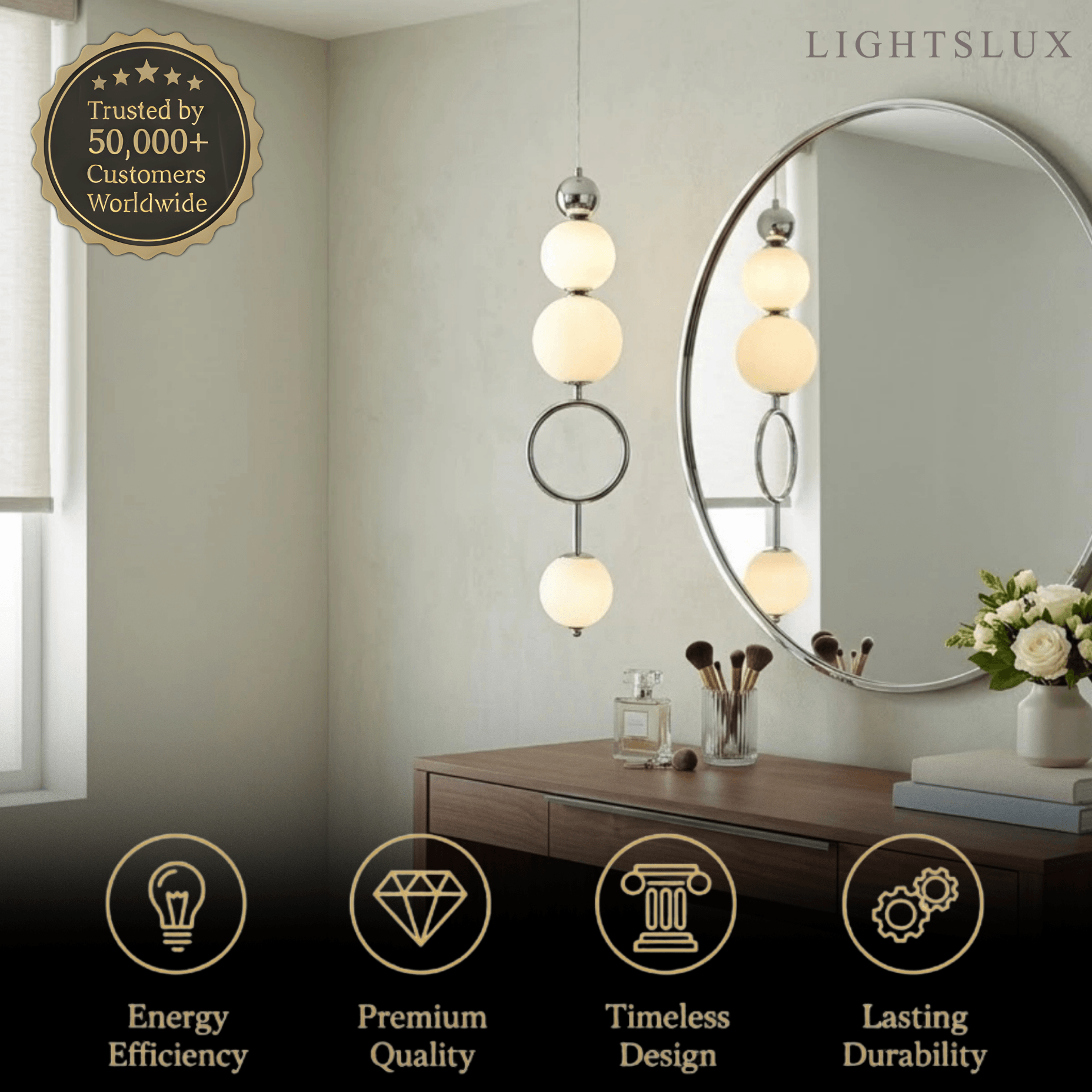
Minimalist Pendant Light
Discover Minimalist Pendant Lights at Lightslux, designed with clean lines and understated elegance for modern living. Perfect for kitchens, dining rooms, and open spaces, this collection blends simplicity with functional lighting.
Up to 50% OFF Storewide
Limited-Time Offer
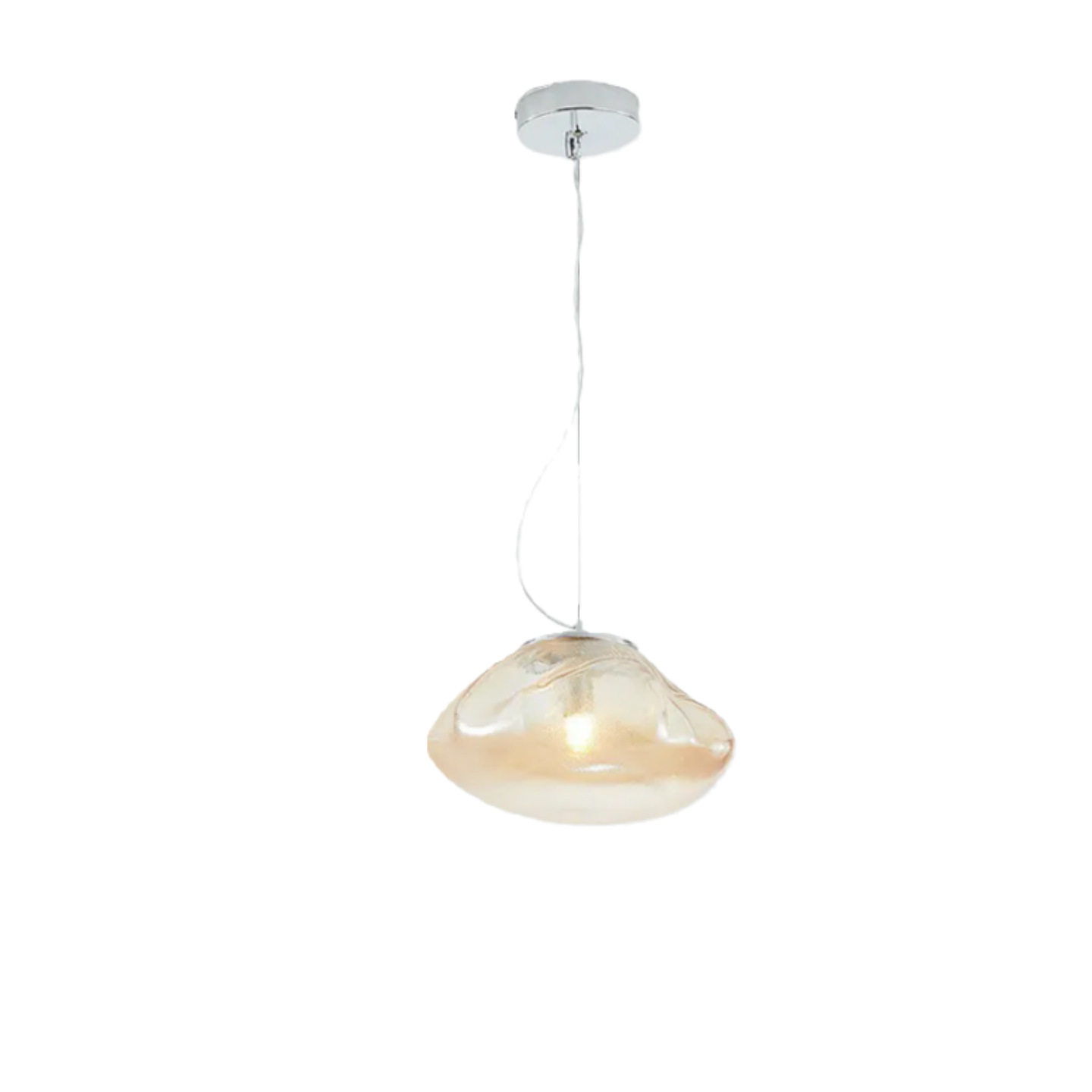
Vetro Minimalist Pendant Light — Iron & Glass Gold&White / Silver&White for Bedroom
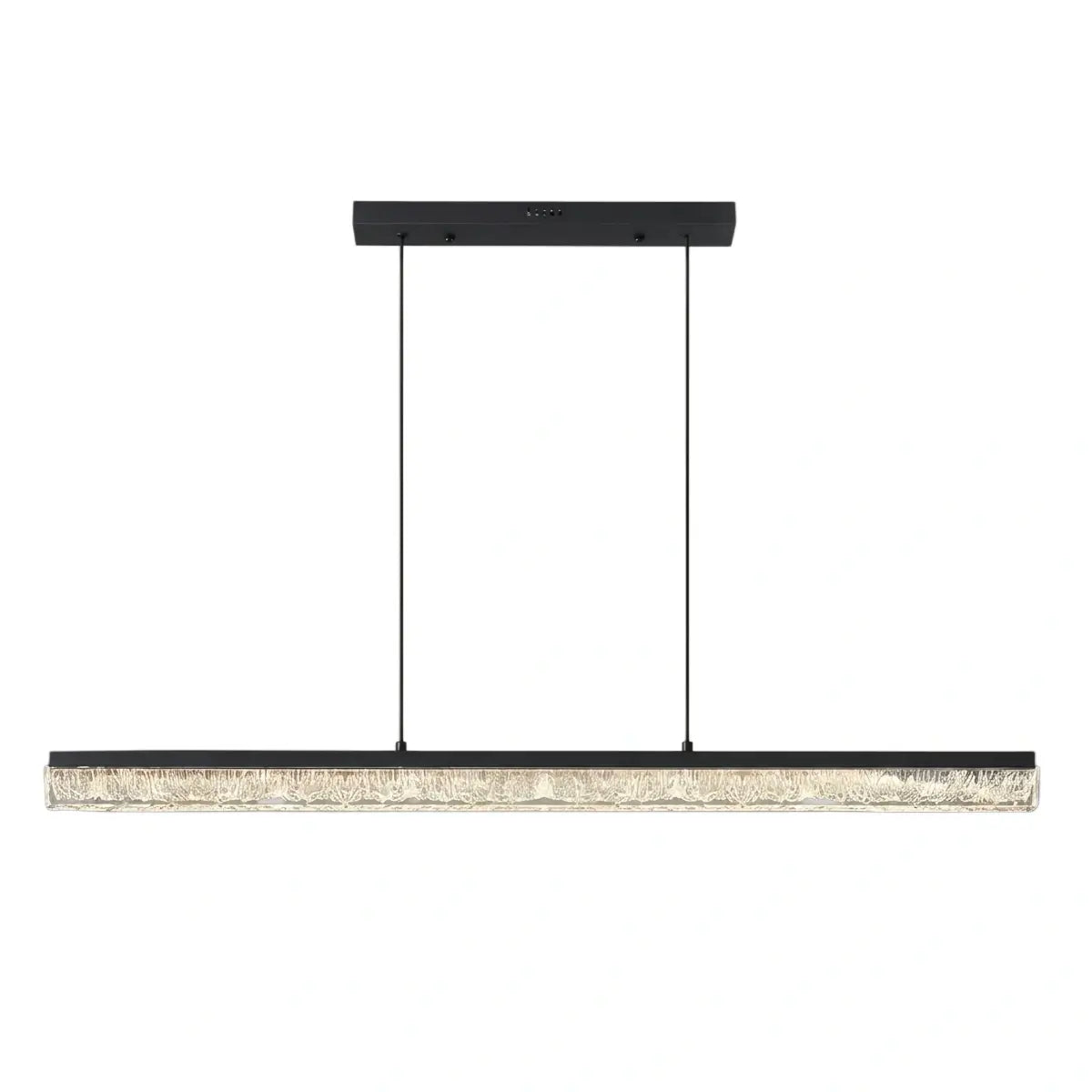
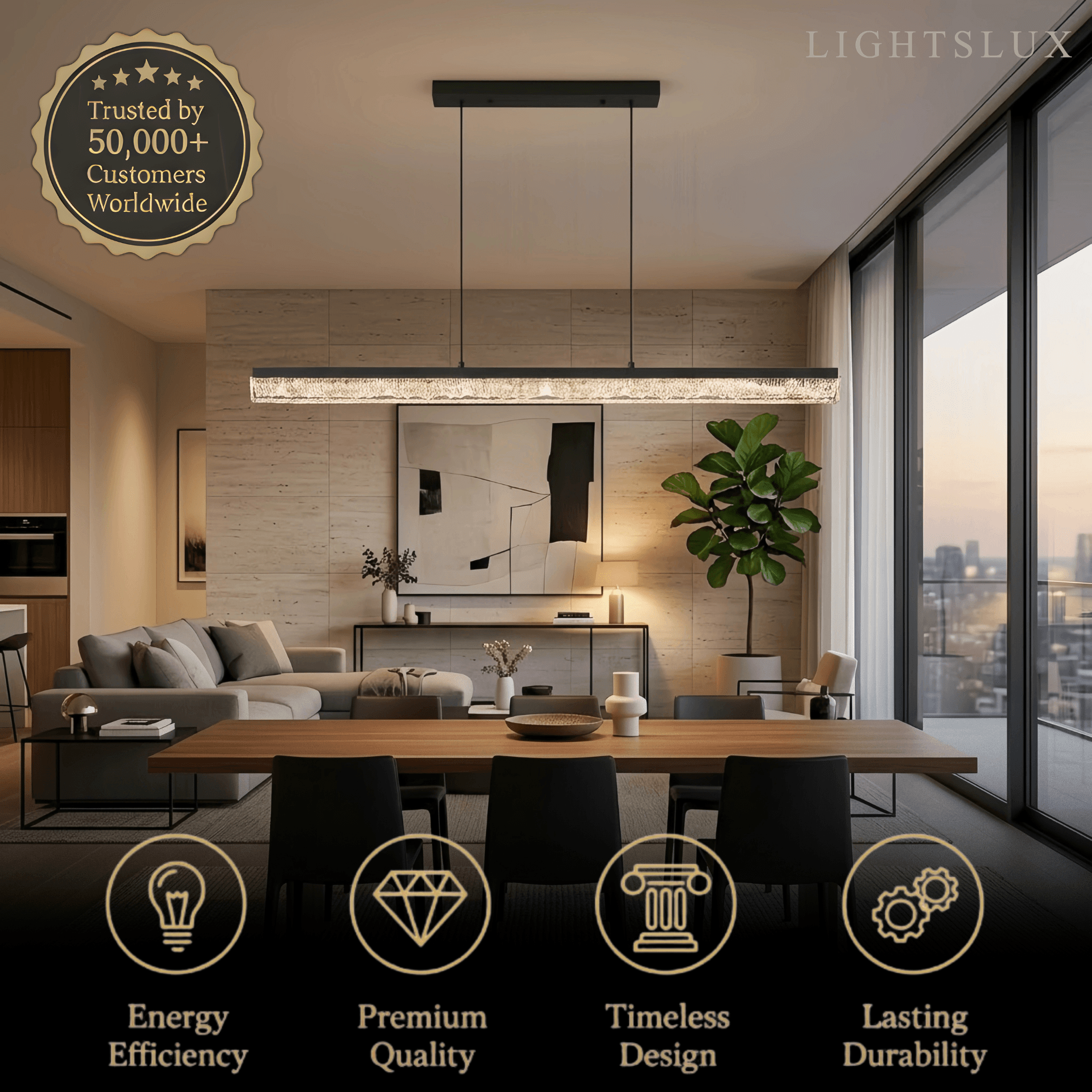
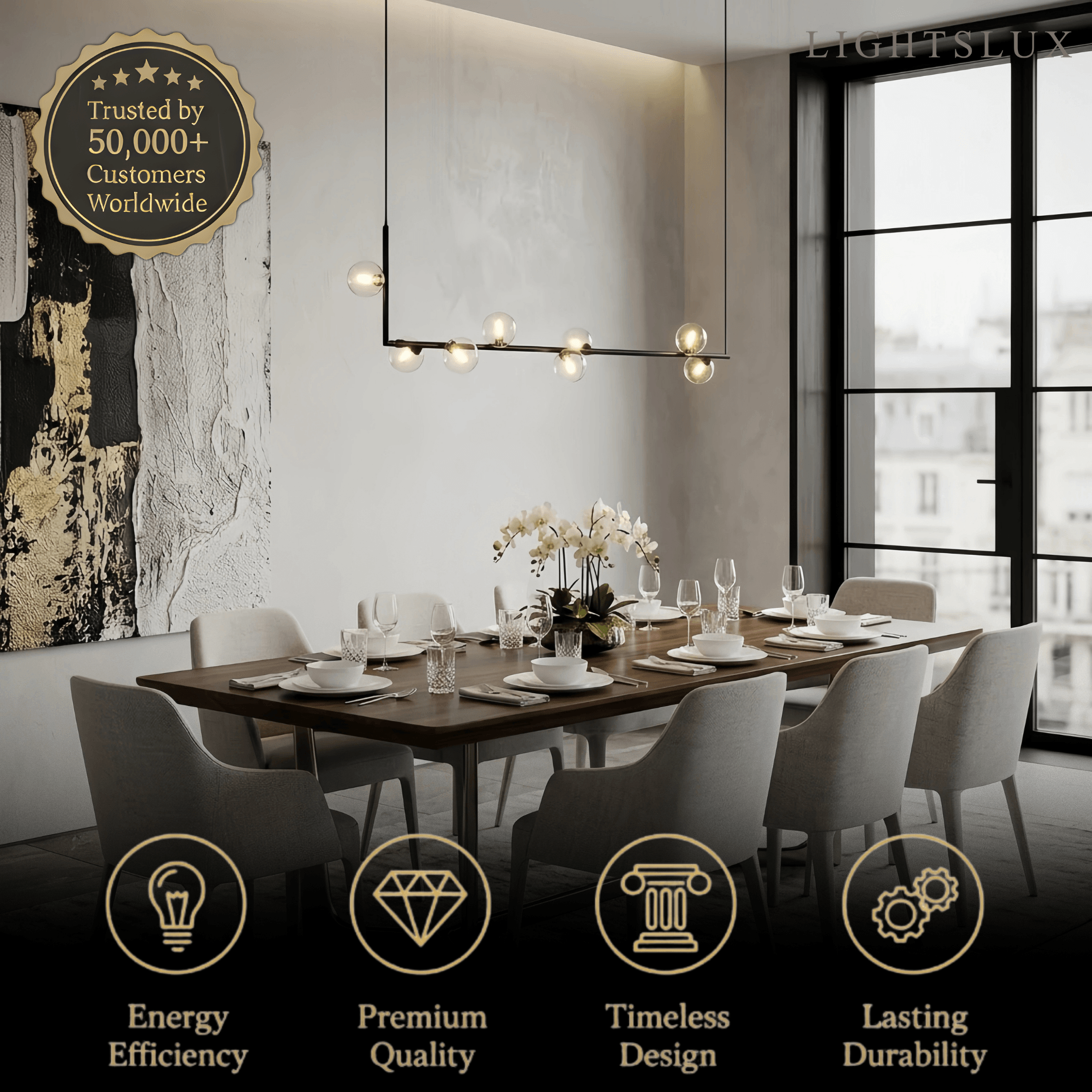
Vivara Minimalist Linear Pendant Light — Black Acrylic & Metal for Dining Room / Kitchen Island
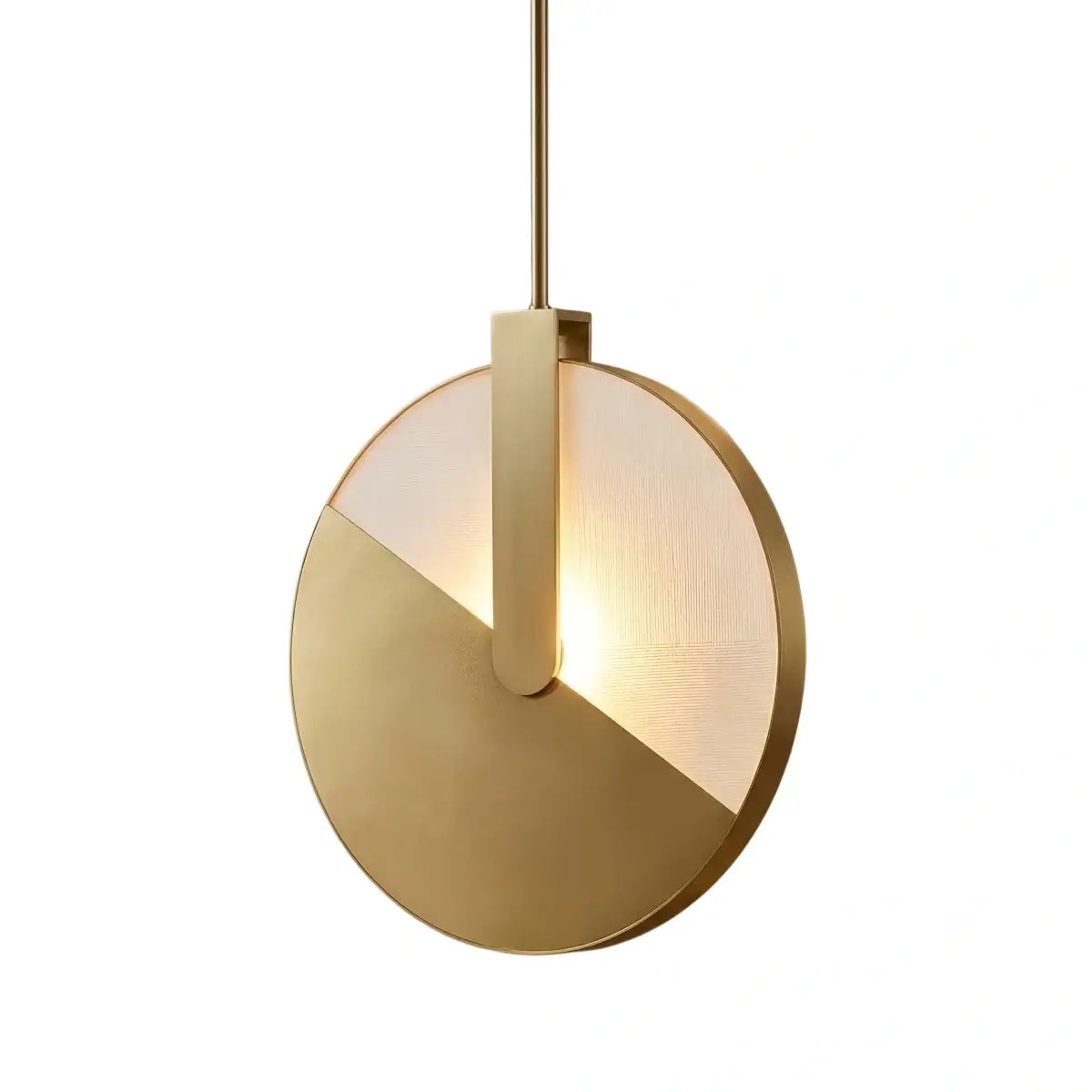
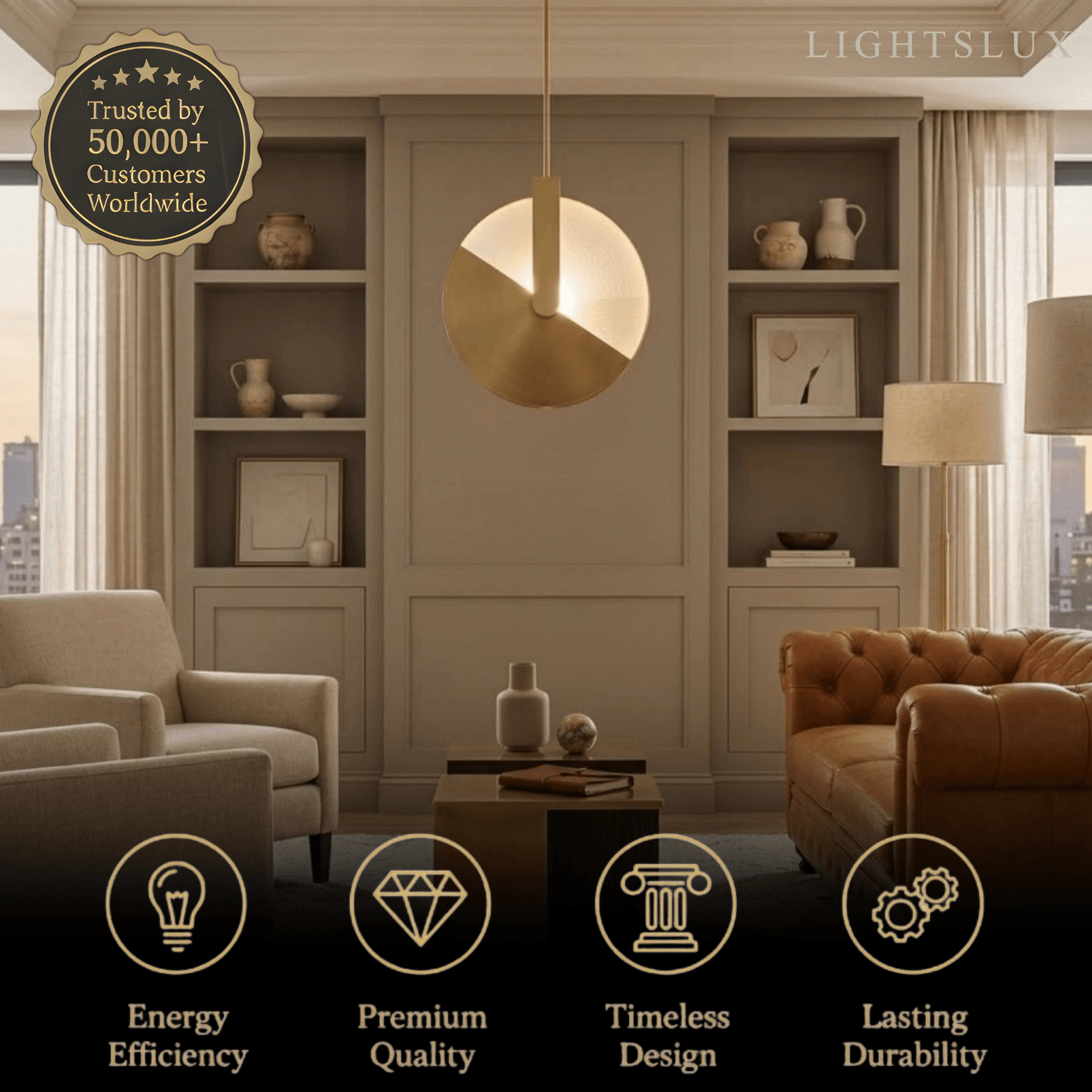
Vivara Minimalist LED Pendant Light -- Gold Aluminum & Acrylic for Dining Room
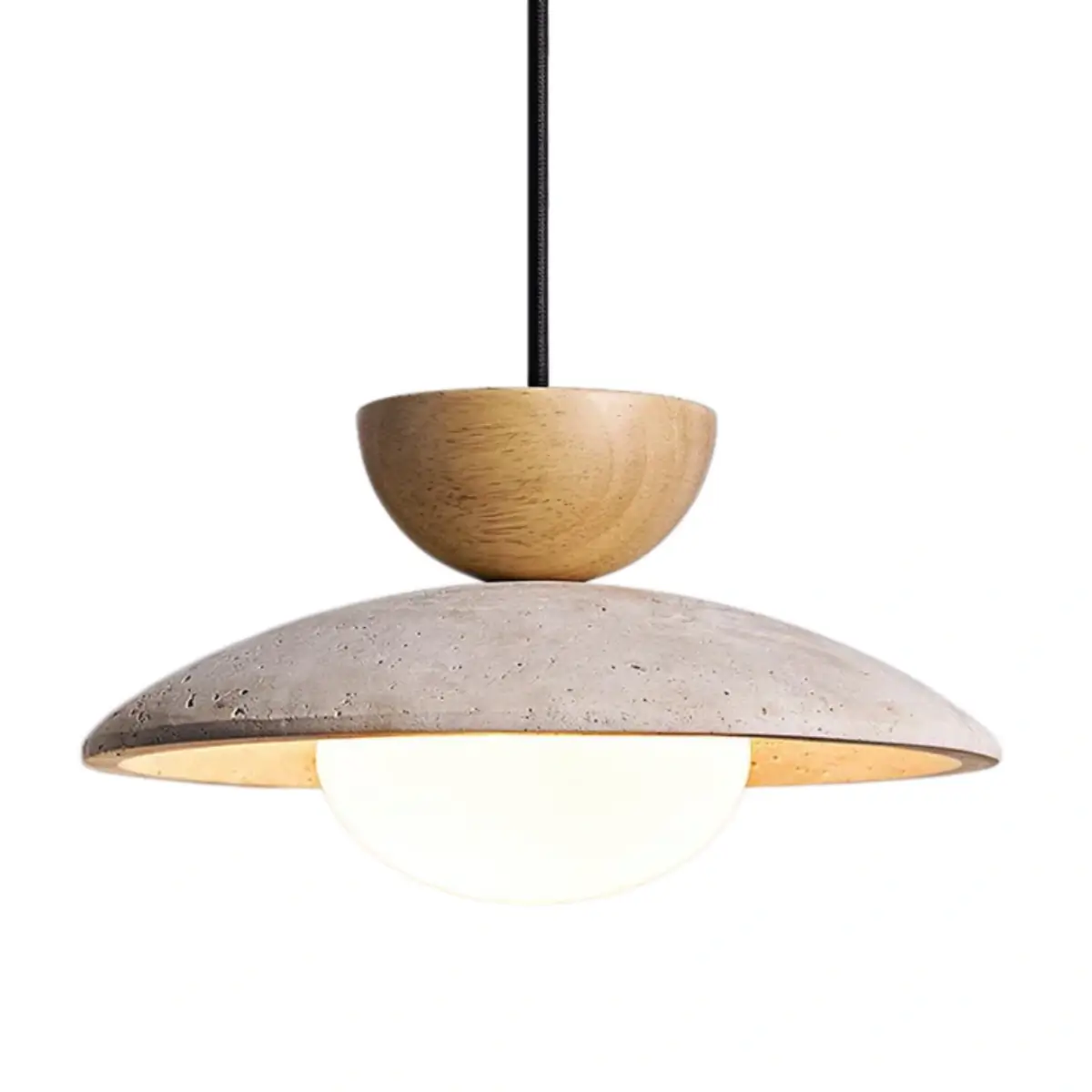
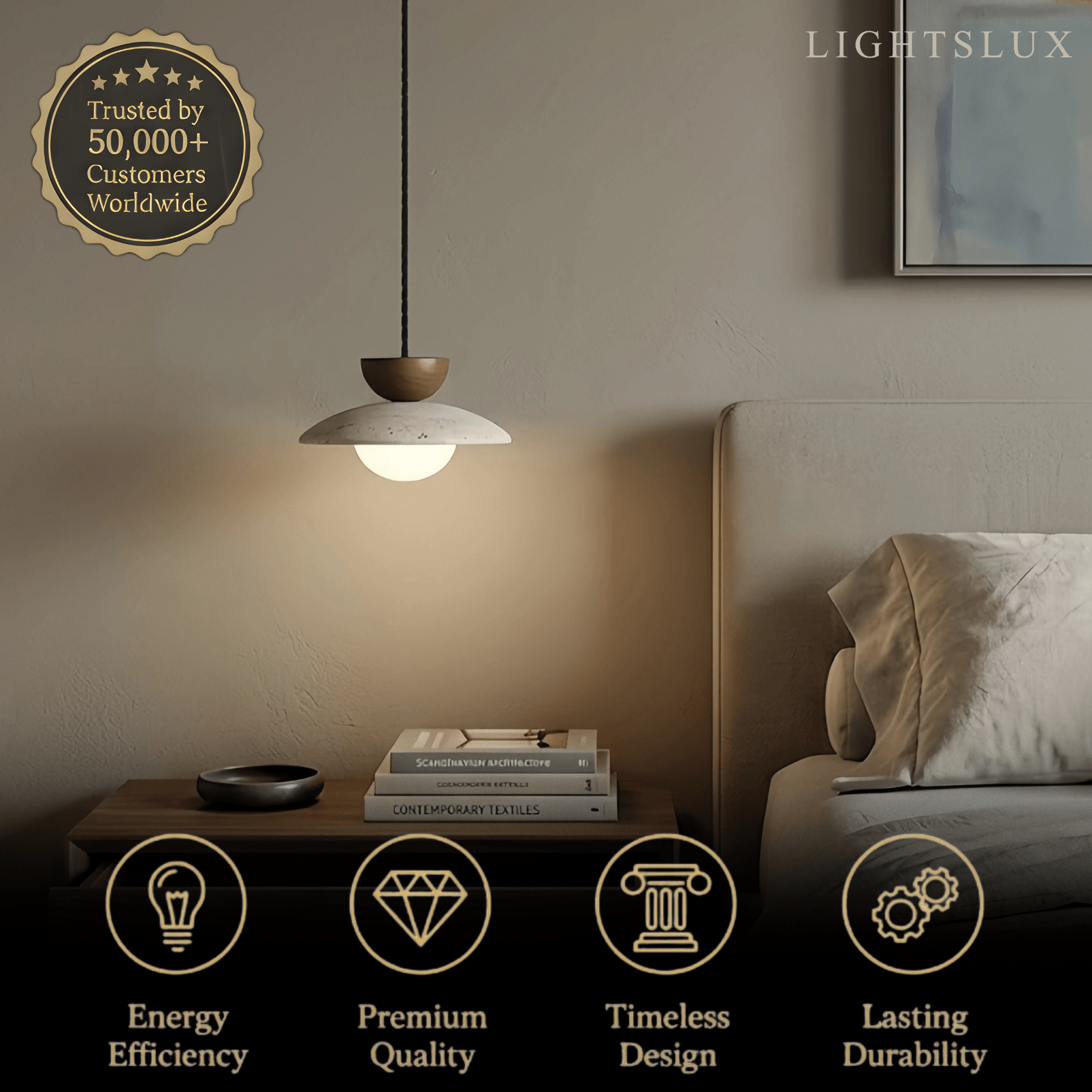
Vivara Minimalist Pendant Light – Glass & Travertine & Wood for Dining Room
Arcato Minimalist Pendant Light — Metal & Silica Gel with Black & White for Kitchen
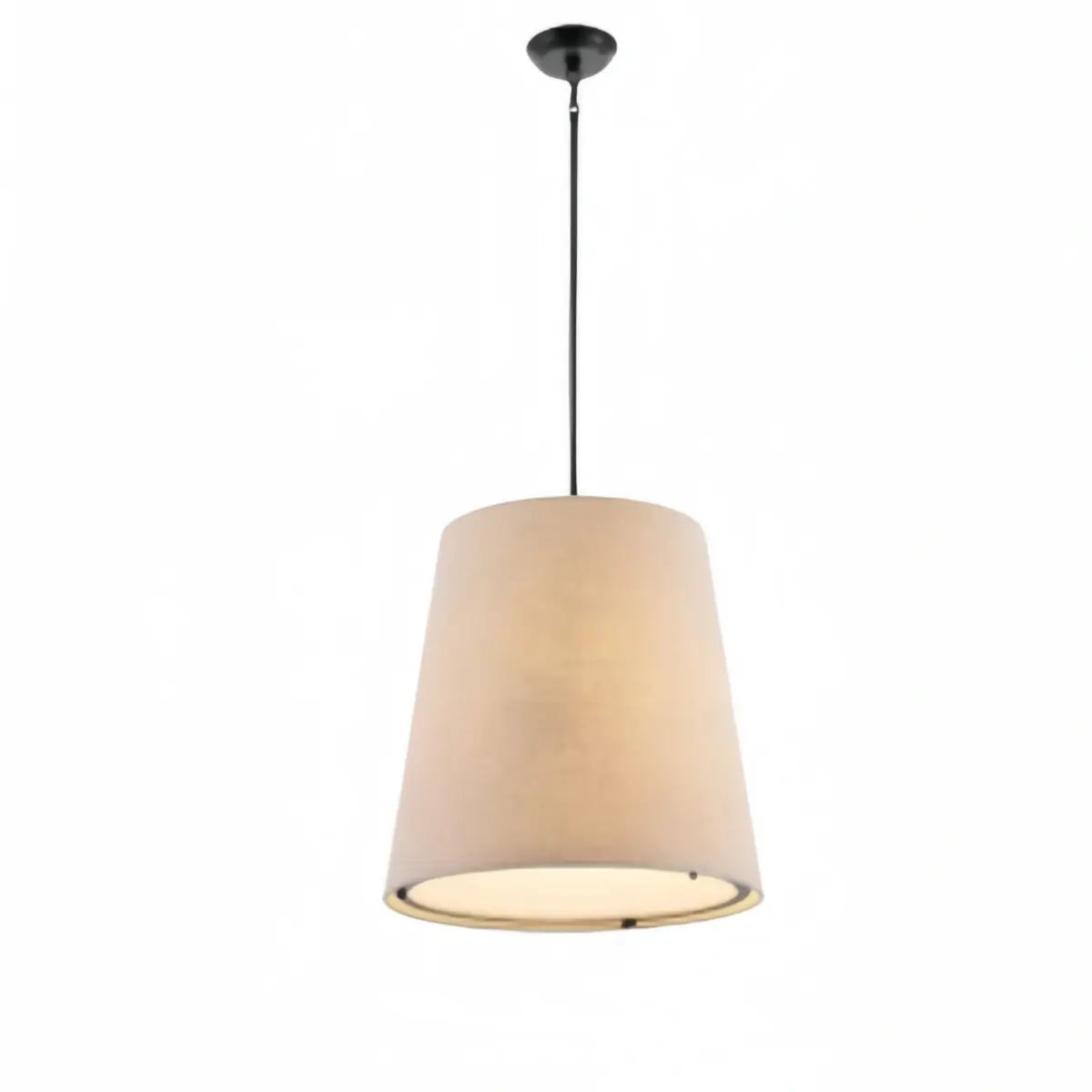
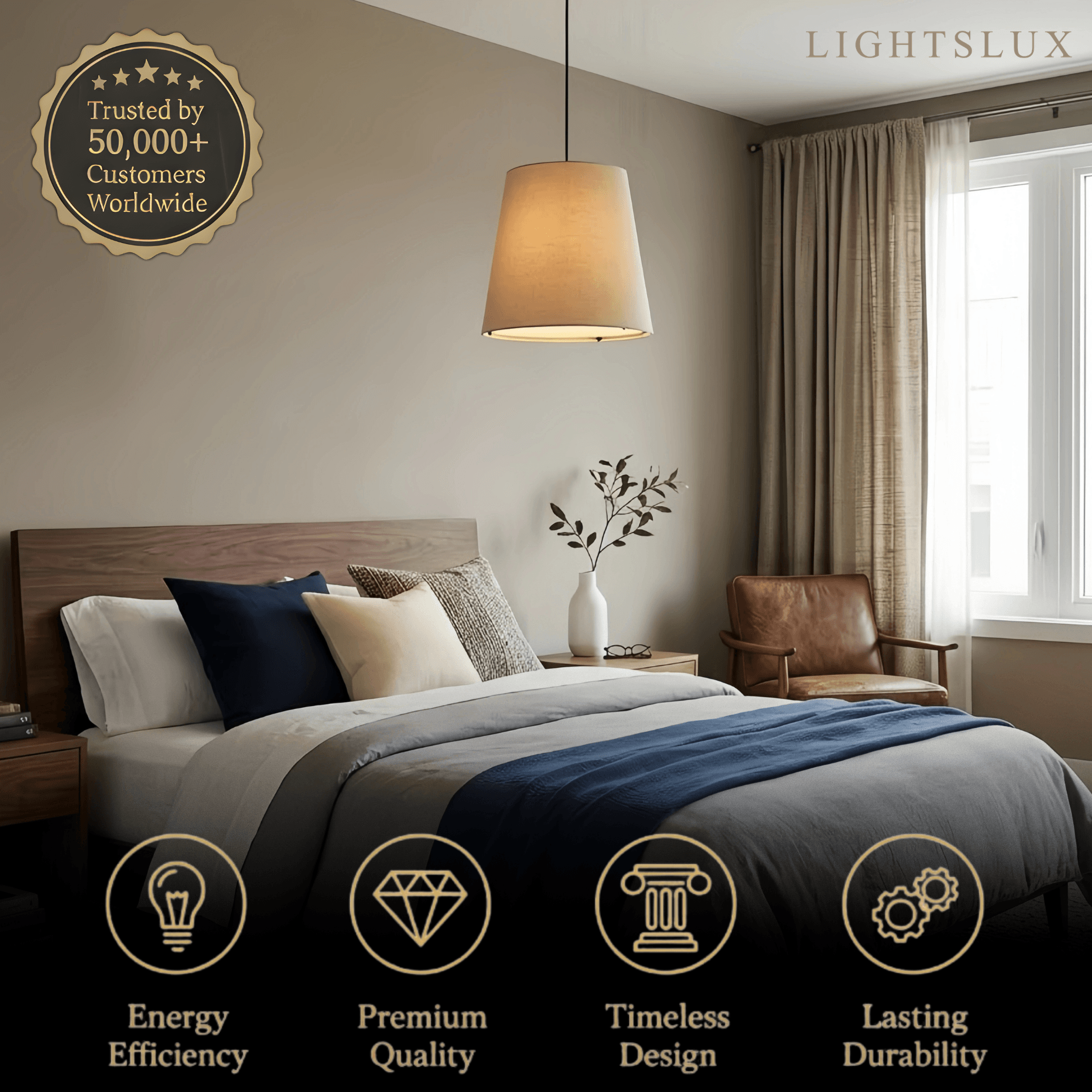
Zenno Wabi-sabi Fabric Pendant Light — Natural Linen for Dining Room
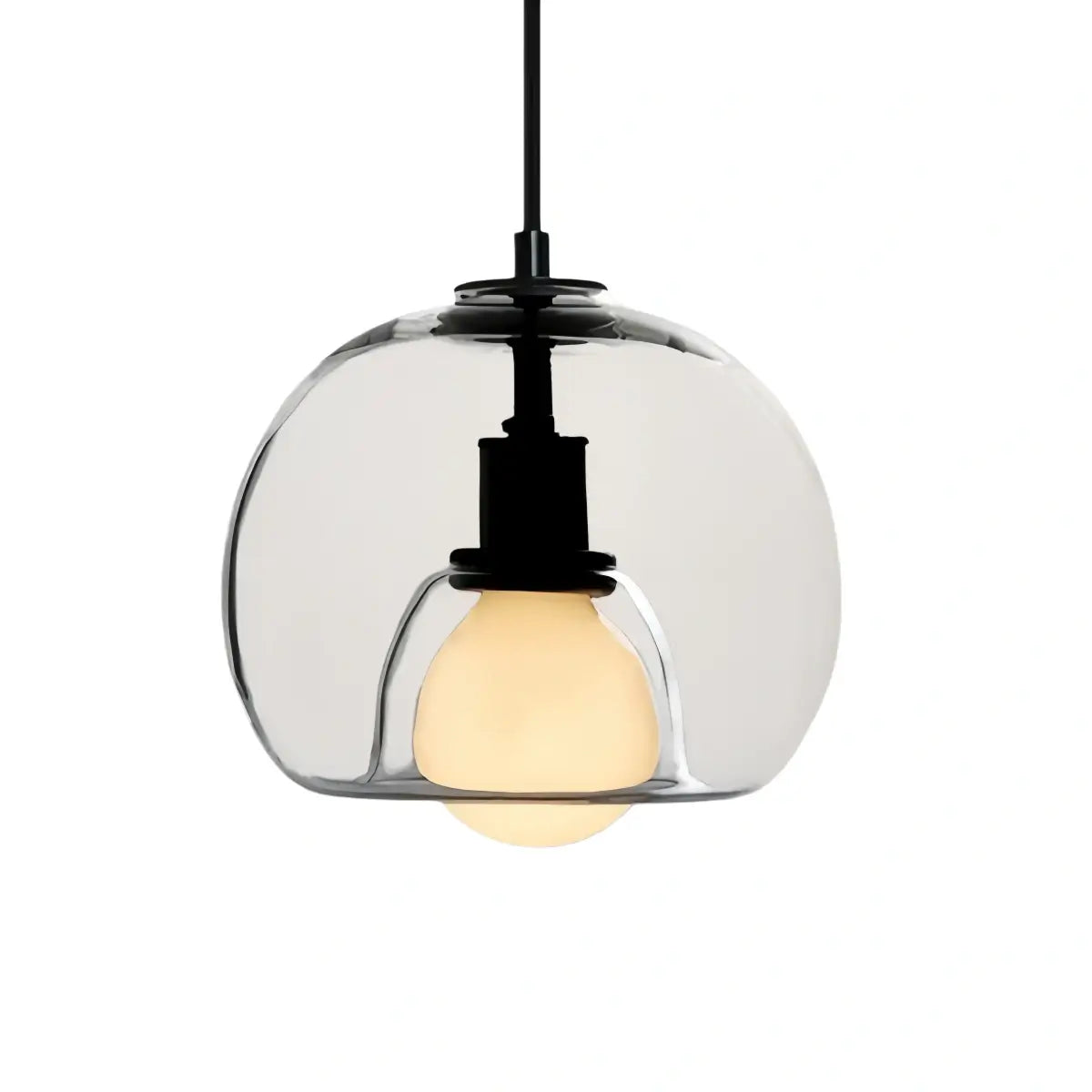
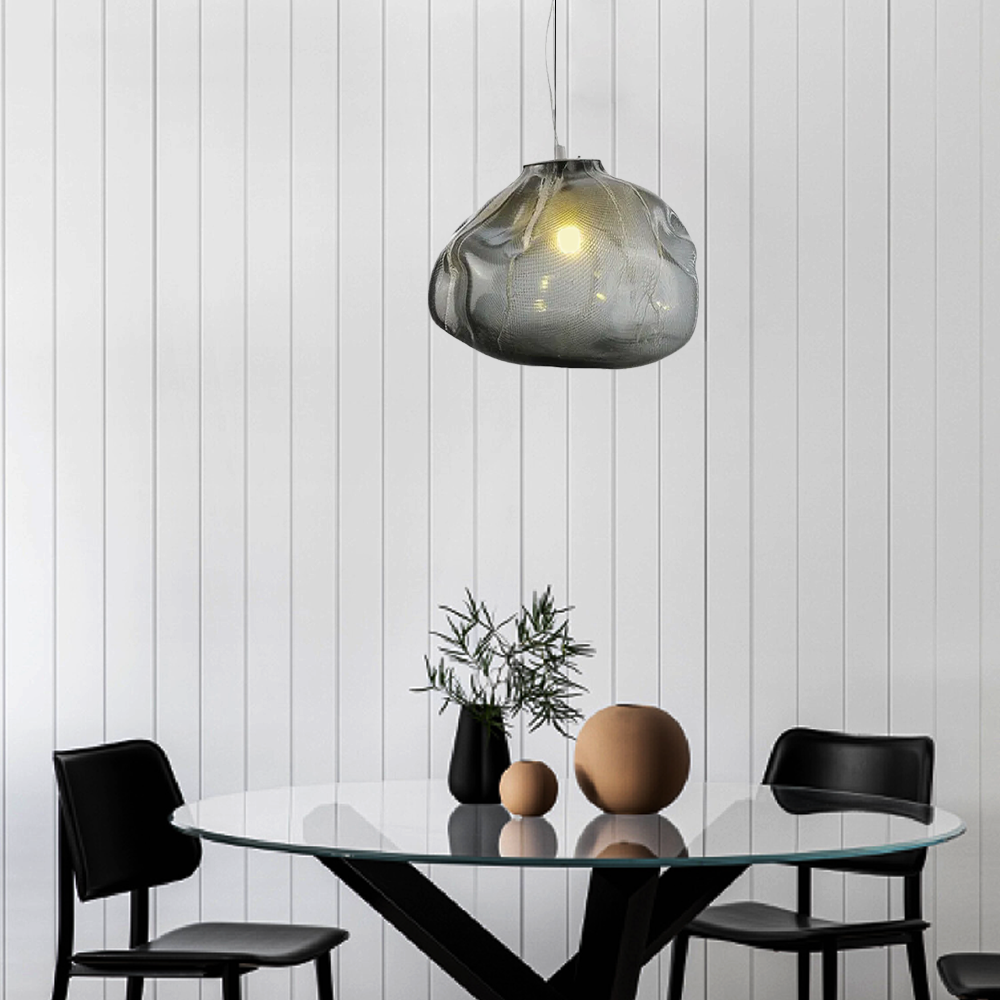
Vetro Minimalist Glass Pendant Light – Metal Clear Smoke Cognac for Dining Room Kitchen
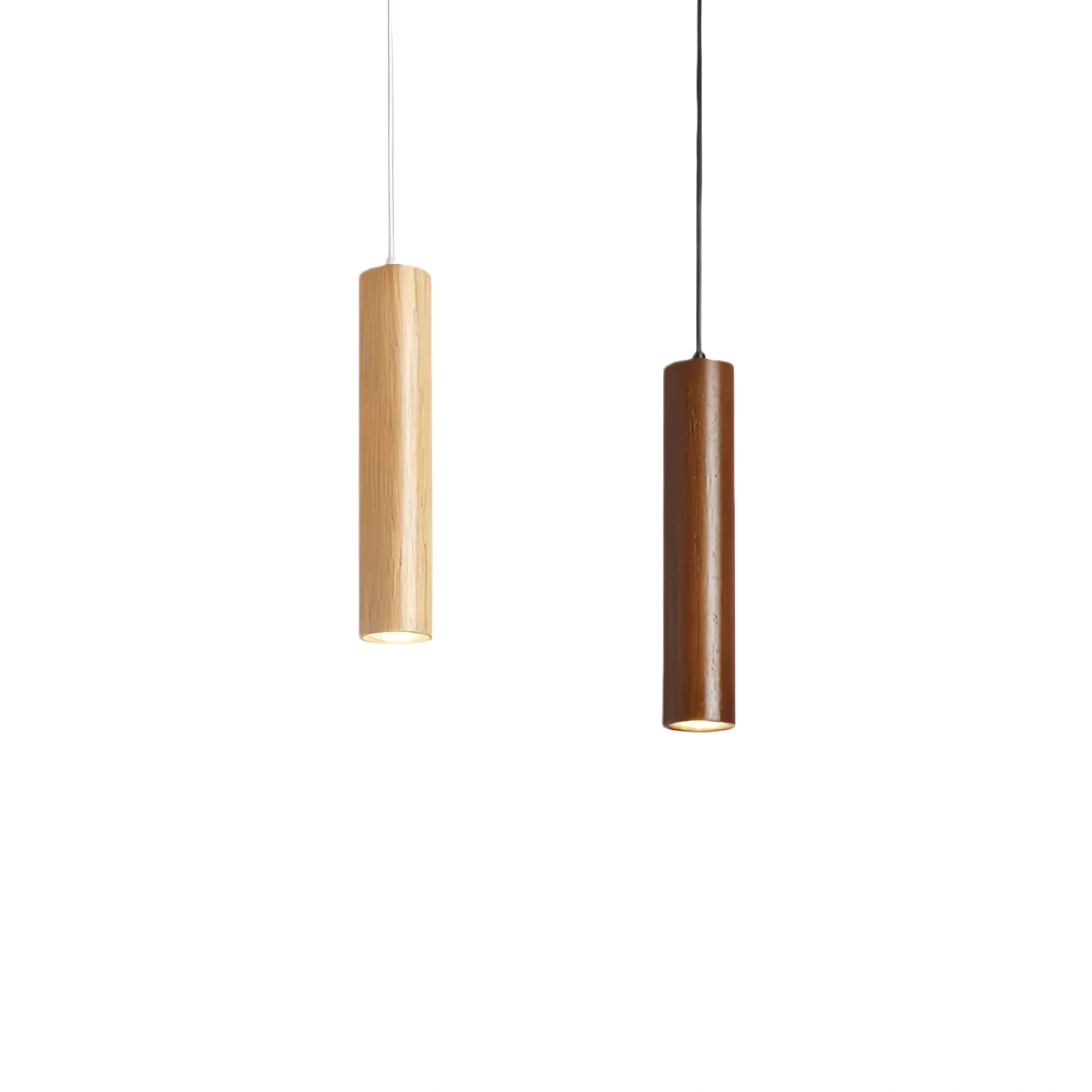
Arcato Minimalist Pendant Light - Brown/Yellow Wood & Acrylic for Dining Room
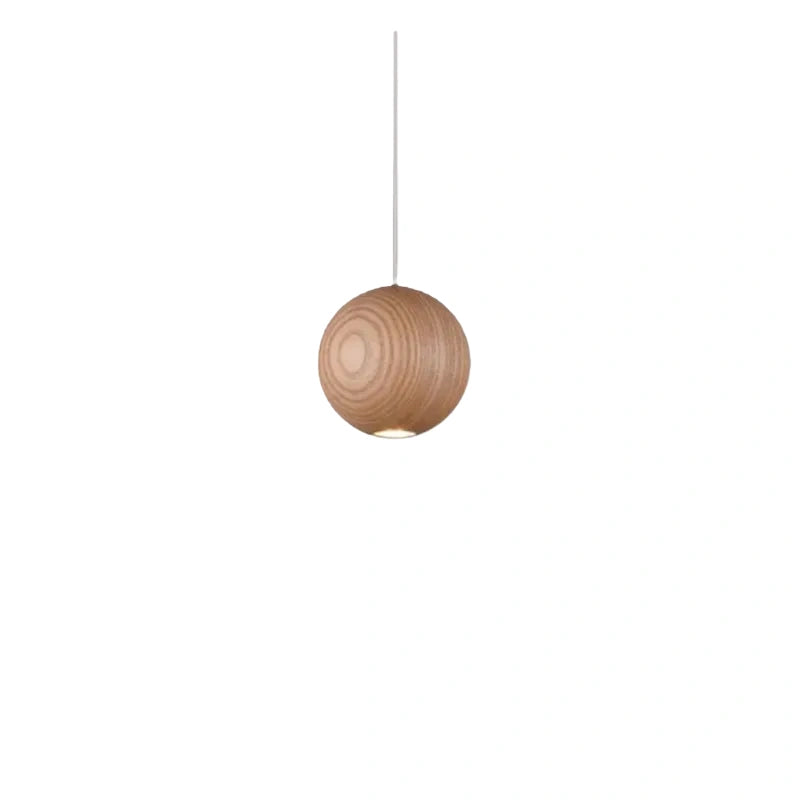
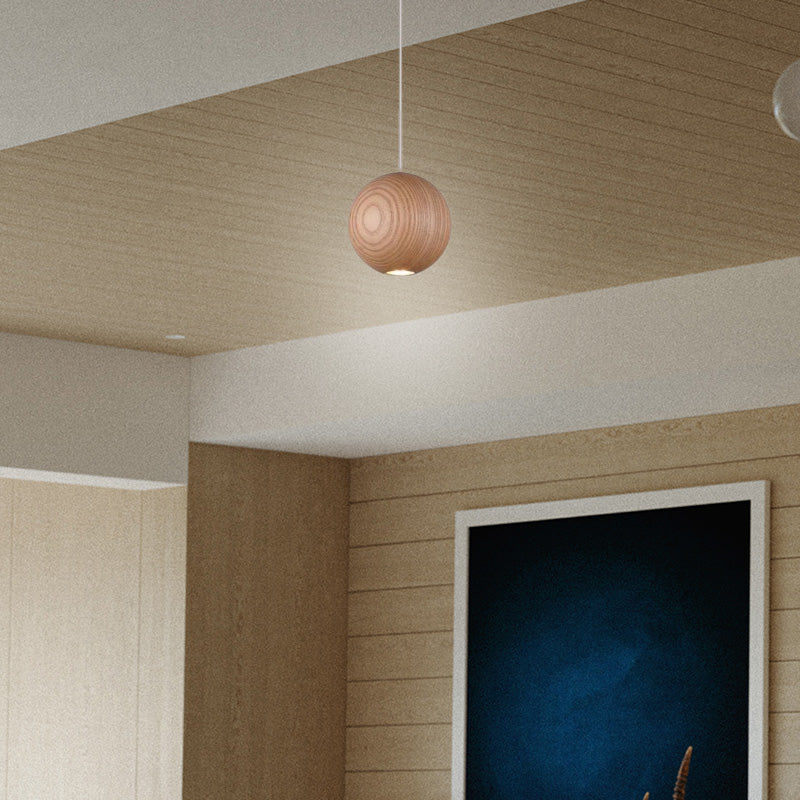
Zenno Minimalist Wood Pendant Light - Brown Globe for Living Room/Dining Room
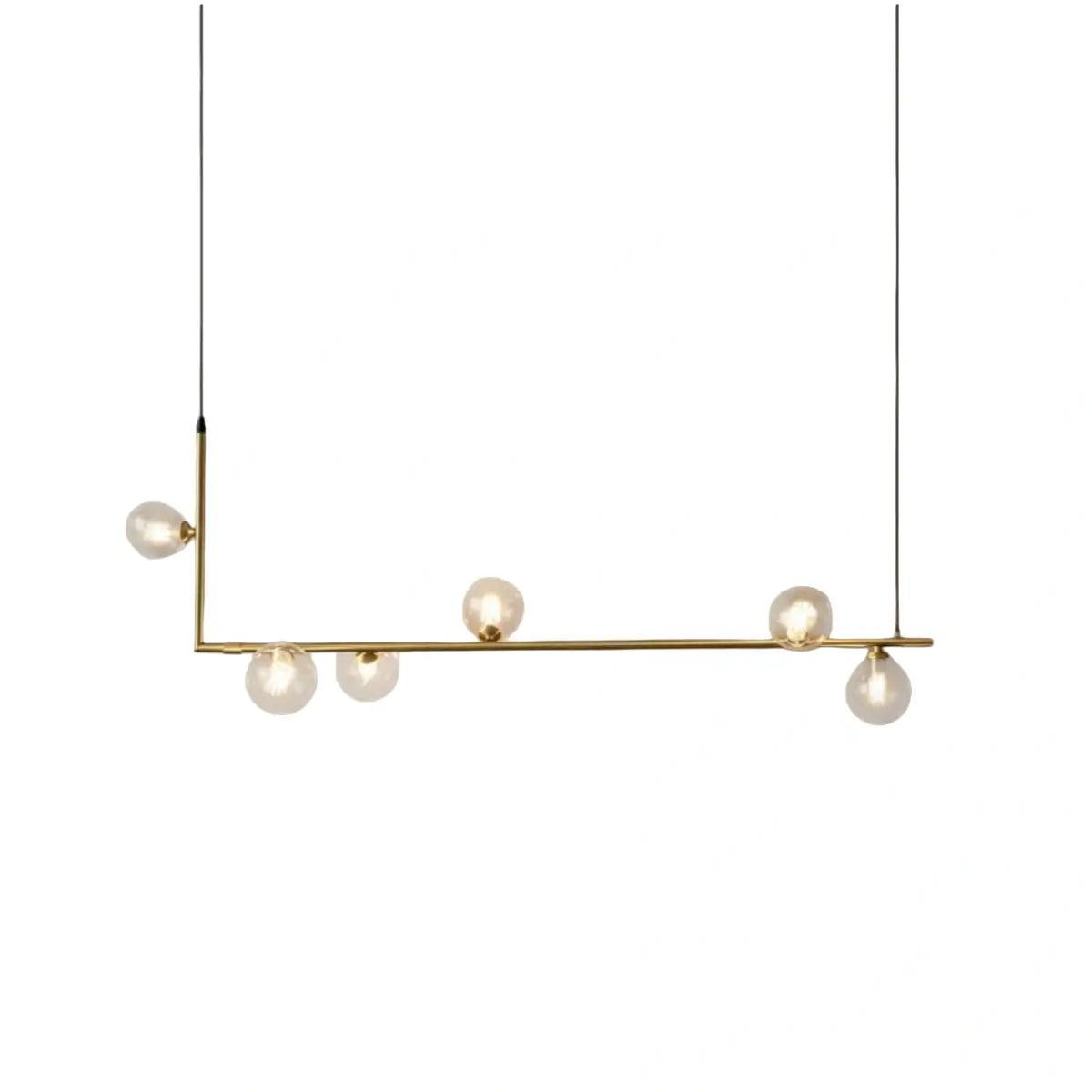
Nebula Minimalist Linear Pendant Light - Black/Gold Metal & Glass for Kitchen
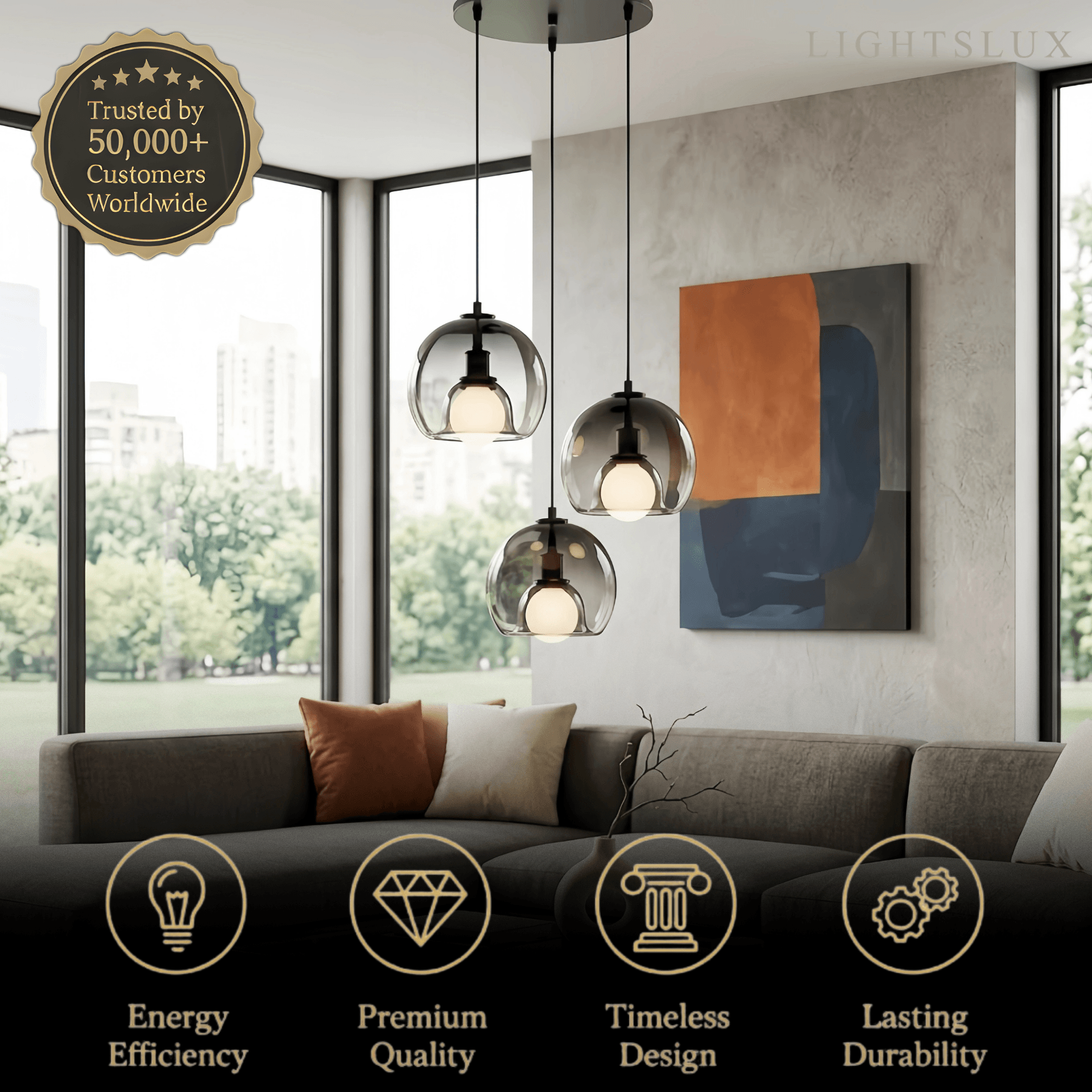
Vetro Minimalist Glass Pendant Light — Clear/Gray/Amber LED Ball 3 Sizes Dining Room
Minimalist Pendant Light FAQ
What defines a minimalist pendant light?
A minimalist pendant light focuses on simple shapes, clean lines, and reduced visual elements. It is designed to provide lighting without unnecessary decoration, emphasizing function and modern simplicity.
Why are minimalist pendant lights popular in modern interiors?
They are popular because they create a clean and uncluttered visual effect, making spaces feel more open and organized. Their simple design also allows them to blend easily into different interior styles.
Where can minimalist pendant lights be used?
Minimalist pendant lights are commonly used in kitchens, dining areas, bedrooms, and workspaces. They are especially effective in modern homes that prioritize clean design and functional lighting.
What should I consider when choosing a minimalist pendant light?
Key factors include size, hanging height, light output, and proportion to the space. Even with a simple design, choosing the right scale is important to maintain balance in the room.