
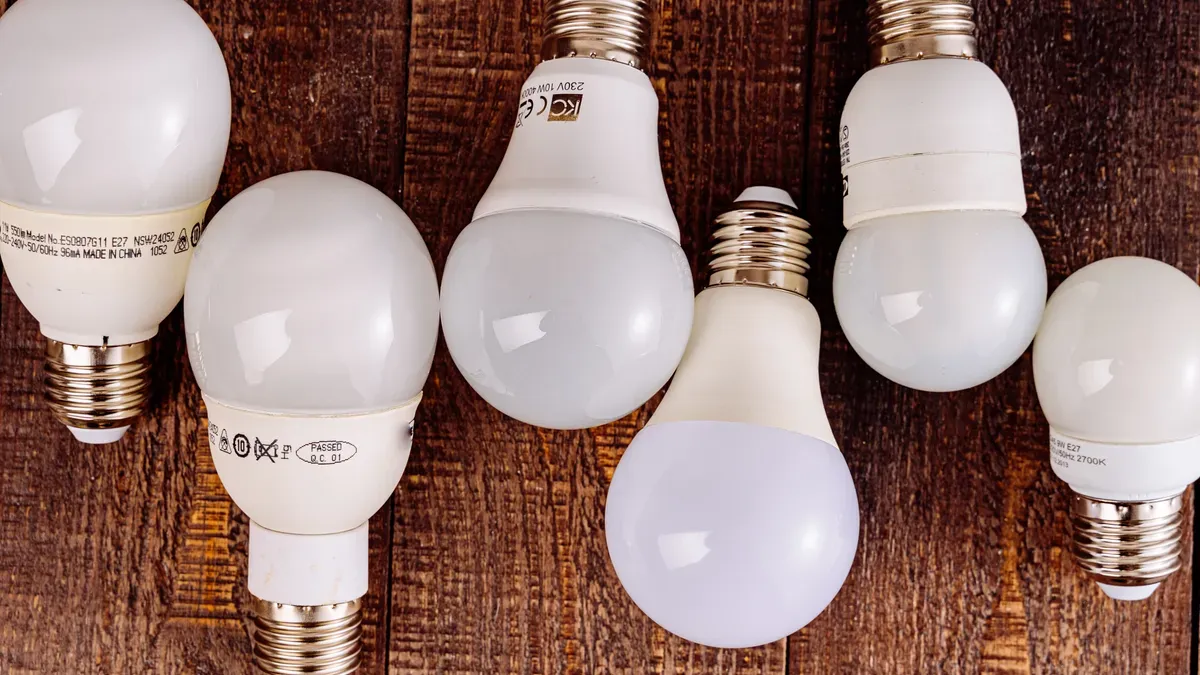
I always start by asking myself what I want from my lights. Do I need something bright for reading? Or do I want a cozy glow? I compare each light bulb type, check brightness, energy use, and make sure it fits my fixture. It’s easier than you think!
Key Takeaways
Identify the purpose of your lighting. Choose bright bulbs for reading and warm bulbs for relaxation.
Check lumens for brightness, not just watts. Match the light output to the size of your room.
Opt for energy-efficient bulbs like LEDs. They last longer, save money, and reduce environmental impact.
Light bulb type comparison
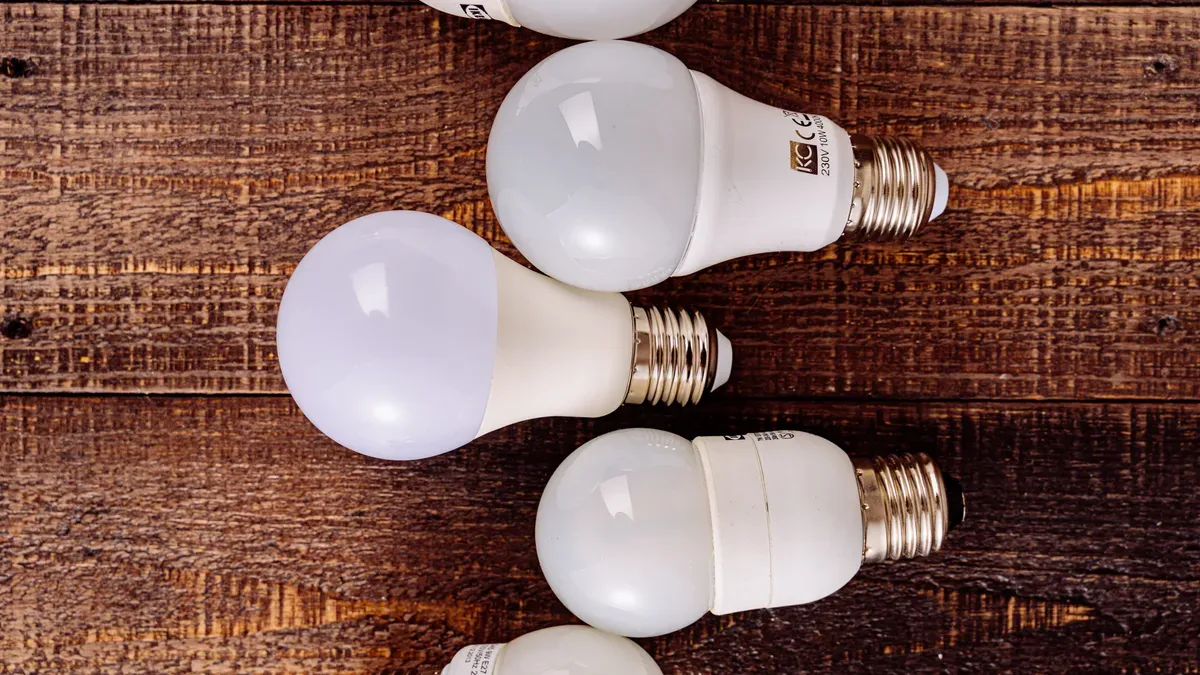
Quick chart: types of light bulbs
Here’s a quick chart I always check when I’m choosing a light bulb type. It helps me see the main differences at a glance:
Light Bulb Type |
Lifespan (hours) |
Brightness |
Best Uses |
|
|---|---|---|---|---|
Incandescent |
Low (90% heat) |
1,000 |
Standard |
Table lamps, cozy spaces |
Halogen |
Moderate |
Shorter than LED |
Moderate |
Spotlights, task lights |
CFL |
Moderate |
8,000 - 10,000 |
Moderate |
Kitchens, offices |
LED |
High |
25,000+ |
High |
Everywhere, outdoors |
Smart Bulbs |
High (LED-based) |
15,000 - 25,000 |
Adjustable |
Smart homes, ambiance |
Key features and uses
I’ve tried all types of light bulbs in my home. Incandescent bulbs give a warm glow, but they don’t last long and use a lot of energy. Halogen bulbs work well for focused lighting, like reading nooks, but they run hot. CFL bulbs save more energy and last longer, so I use them in places where I want steady light, like my kitchen. LED bulbs are my favorite light bulb type because they last for years and use very little power. I even switched my porch light to LED, and I haven’t changed it in ages. Smart bulbs let me control brightness and color with my phone, which is perfect for movie nights or setting the mood. When I compare all types of light bulbs, I always look at energy efficiency, how long they last, and where I want to use them. Picking the right light bulb type makes my home brighter, cozier, and saves me money.
Different types of light bulbs explained
Incandescent bulbs
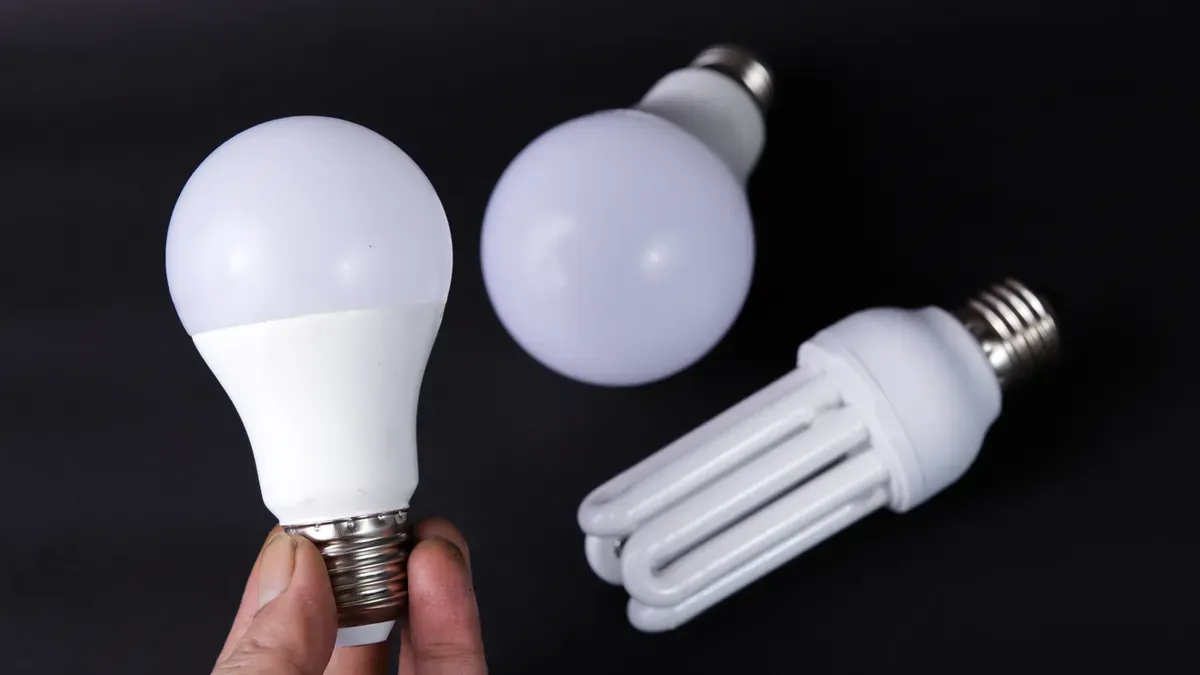
When I was younger, we used incandescent bulbs everywhere. These bulbs look classic and make rooms feel warm and cozy. If I want a room to be bright right away, I use incandescent bulbs because they turn on fast and don’t flicker. They work with old dimmer switches, so I can make the light brighter or softer for reading or watching movies.
Here’s a table that shows how incandescent bulbs compare to other types:
Bulb Type |
Average Lifespan (hours) |
Energy Consumption (W) |
|---|---|---|
Incandescent |
800-1200 |
60 |
LED |
28000-50000 |
7-9 |
Incandescent bulbs do not last very long. I have to change them a lot, especially in rooms we use often. They use more energy, so my electricity bill goes up. These bulbs get hot, so I do not use them where safety is important.
Let’s look at the good and bad things about incandescent bulbs:
Advantages |
Disadvantages |
|---|---|
Warm light ambiance |
Huge energy waste |
Low initial cost |
Short lifespan |
Instant lighting without flicker |
Safety risks due to heat output |
Compatible with old dimmer switches |
Frequent replacements needed in harsh conditions |
I like the soft glow from incandescent bulbs, but I pick other types when I want to save energy.
Halogen bulbs
Halogen bulbs are better than incandescent bulbs in some ways. I use halogen bulbs for spotlights and task lighting because they are bright and clear. They are great for places where I need strong light, like the kitchen counter or a reading spot. Halogen bulbs can be dimmed, so I can change how bright they are.
LEDs are much more efficient. Incandescent bulbs waste most energy as heat, but LEDs turn most energy into light.
Halogen bulbs do not last as long as led bulbs. They get hotter than led bulbs, so I keep them away from things that could burn. I like halogen bulbs for their brightness and color, but I do not use them a lot because they are not as energy-saving as led bulbs.
LED bulbs
I changed most of my lights to led bulbs. Led bulbs use less electricity and last a long time. I like that led bulbs come in many shapes and sizes, so I can find one for any lamp or fixture. They can be dimmed, so I can pick how bright or warm the light is. Led bulbs do not get hot, so I feel safe using them in kids’ rooms and small spaces.
Here’s a chart that shows how led bulbs compare to other types:
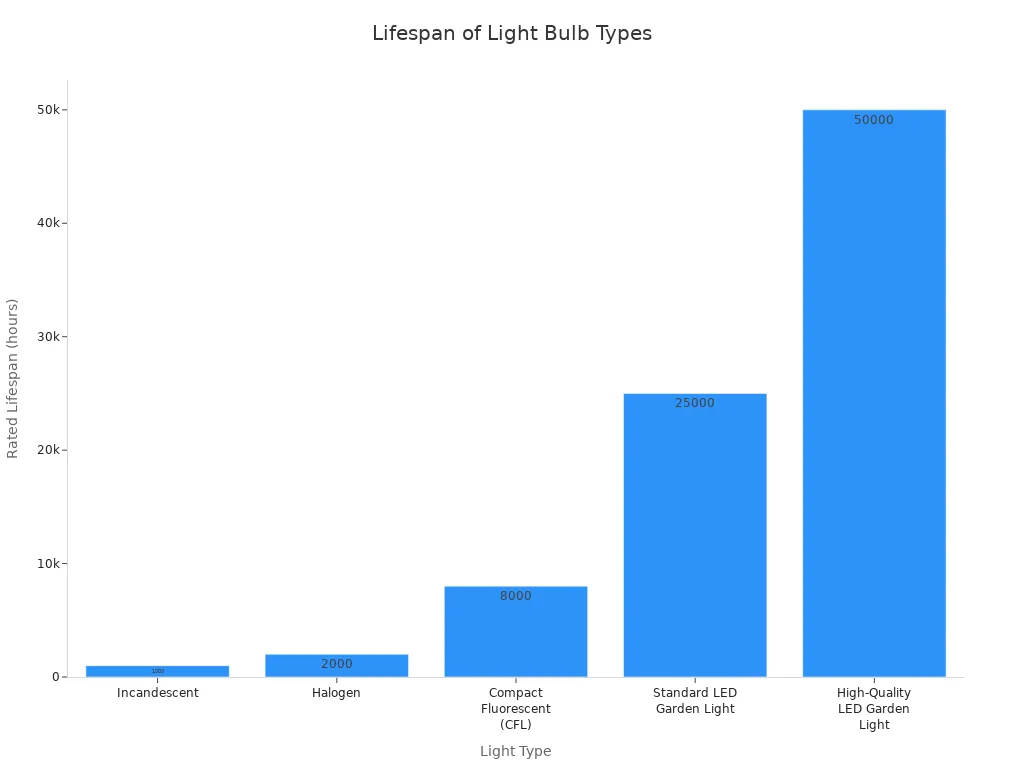
Led bulbs last much longer than incandescent or halogen bulbs. I do not have to replace them often, so I save money and make less trash. Led bulbs turn on right away and do not flicker. I use them everywhere, like on my porch and in the bathroom.
Here are some things I like and do not like about led bulbs:
Longer lifespan
Instant illumination
Reduced heat output
Minimal environmental footprint
Led bulbs can last many years before needing replacement, reducing waste
Sometimes, I still use incandescent bulbs for a vintage look, but led bulbs are my favorite for most rooms.
Fluorescent light bulbs (CFL)
I use fluorescent light bulbs in my garage and office. CFL bulbs use less energy than incandescent bulbs. They help me pay less for electricity and are better for the planet. Fluorescent bulbs last longer than incandescent bulbs, but not as long as led bulbs.
CFL bulbs have mercury inside, so I am careful when I throw them away. Fluorescent bulbs give steady light, but sometimes they take a few seconds to get bright. I use them in places where I need the light to stay the same, like the kitchen or my workspace.
Some CFL bulbs can be dimmed, but not all. I always check the box to make sure. I like CFL bulbs because they save energy, but I like led bulbs more because they last longer and are safer to throw away.
Smart bulbs
Smart bulbs changed how I use lights at home. I can control smart bulbs with my phone or by talking. I can change how bright they are, the color, and set timers. Smart bulbs use led technology, so they save energy and last a long time.
Here are some cool things about smart bulbs:
Smart bulbs, especially those with motion detection, use advanced sensor technology and led integration to enhance efficiency
They can reduce energy consumption by up to 80% compared to traditional outdoor lighting systems
Traditional bulbs often run continuously, leading to unnecessary energy use, while motion detector bulbs only illuminate when motion is detected, significantly lowering operating hours
I use smart bulbs to make my home feel nice and for convenience. I can pick the color for relaxing or for mornings. Smart bulbs can be dimmed, so I always get the right amount of light. I like using smart bulbs in my living room and bedroom.
Bulb shapes and bases
When I buy a bulb, I always look at the shape and base. Light bulbs come in many shapes, like standard, candle, reflector, and tube. The base is important for making sure the bulb fits. I learned that E26 medium base fits most lamps, and E12 candelabra base is for chandeliers.
Here’s a helpful table:
Code |
Shape |
Where You Use It |
|---|---|---|
A |
Standard bulb |
Lamps, ceiling lights |
B / C |
Candle bulb |
Chandeliers, wall lights |
BR / R |
Reflector bulb |
Recessed lights, floodlights |
PAR |
Focused spotlight |
Outdoor lighting, security lights |
MR |
Directional spotlight |
Track lighting, display lighting |
T |
Tube bulb |
Garages, offices |
G |
Globe bulb |
Vanity lights, decorative fixtures |
Base Code |
Type |
Usage |
|---|---|---|
E26 / E27 |
Medium screw base |
Most home lighting |
E12 |
Candelabra base |
Chandeliers, small fixtures |
E17 |
Intermediate base |
Specialty lamps |
GU10 |
Twist-lock base |
Track and recessed lighting |
G4 / GX5.3 |
Bi-pin base |
Landscape and low-voltage lights |
I match the bulb shape and base to my lamp or fixture. E26 medium base is easy to use for most lights. E12 candelabra base looks nice in chandeliers. The way the fixture looks can show what kind of bulb works best. Wide shades and simple arms are for regular bulbs, and candle sleeves are for decorative bulbs.
I always check the box to make sure the bulb will fit. Picking the right shape and base helps me get the best light and makes sure the bulb fits.
I learned that different types of light bulbs have special features. Incandescent bulbs make a warm glow but use more energy. Halogen bulbs are bright and can be dimmed, but they get hot. Led bulbs last the longest and save the most energy. Fluorescent bulbs are good for saving energy but need to be thrown away carefully. Smart bulbs let me control everything, like brightness and color. I always check the shape and base to make sure the bulb fits my lamp or fixture.
Choosing the right light bulb type
Step-by-step selection guide
When I start choosing the right bulb, I always think about what I want the light to do. Am I reading, relaxing, or lighting up a big room? Here’s how I match bulb types to your needs:
Decide the purpose of the room. For reading or working, I pick bulbs that give bright, clear light. For relaxing, I go for a warm, cozy glow.
Check the brightness. I look at lumens, not just watts. For example, my small dining area needs about 3,000–4,000 lumens. Bigger rooms need more.
Pick the right color temperature. Warm light (2700K) feels cozy in bedrooms and living rooms. Cooler light (3000K–3500K) works better in kitchens or workspaces.
Think about layered lighting. I use a mix of ambient, task, and accent lights to make the room feel comfortable and flexible.
Make sure the bulb fits. I always check the base and shape so I don’t get stuck with the wrong size.
Choose energy efficiency. I usually pick led bulbs because they last long and save money.
Tip: Glare control matters! I avoid bulbs that are too harsh or bright for my eyes.
Common mistakes to avoid
I’ve made a few mistakes when picking bulbs. Here are some things I watch out for:
Forgetting to check the socket type, which leads to size mismatches.
Using bulbs with wattage higher than the fixture allows. This can damage the socket.
Not checking for wear or corrosion in the socket. Flickering lights or electrical problems can happen.
Skipping the step of measuring ceiling height before picking a fixture.
Ignoring dimmer compatibility. Some bulbs don’t work well with dimmers and can fail early.
Not focusing on lumens and color temperature. The wrong brightness or color can ruin the mood of a space.
I always take a few minutes to double-check these things. It saves me time and money, and helps me feel confident about matching bulb types to your needs.
I always match bulb types to my needs. This saves money and helps the planet. Here’s a quick guide I use:
Bulb Type |
Best Use |
|---|---|
A19 |
General home lighting |
CA10 |
Chandeliers |
BR30 |
Recessed lighting |
PAR38 |
Outdoor floodlights |
MR16 |
Accent lighting |
T8 |
Commercial lighting |
G25 |
Vanity lighting |
Energy-efficient bulbs like LEDs use less power and last longer.
Picking the right bulb means fewer replacements and less waste.
I feel good knowing my choices help the environment and my wallet. You can do this, too!
FAQ
How do I know which bulb gives the best light output?
I check the lumens on the box. Higher lumens mean brighter light. I always pick the bulb that matches the room’s needs.
What are the sustainability benefits of switching to LED bulbs?
LED bulbs use less energy and last longer. I waste fewer bulbs and help protect the planet. My electricity bill drops, too.
Is there a long-lasting option for outdoor lighting?
I use LED bulbs outside. They handle weather well and last for years. I rarely need to replace them, which saves me time.
Share:
Discover the Top Staircase Lighting Options for 2026
10 Decorative Wall Sconces to Refresh Your Modern Interior in 2026