
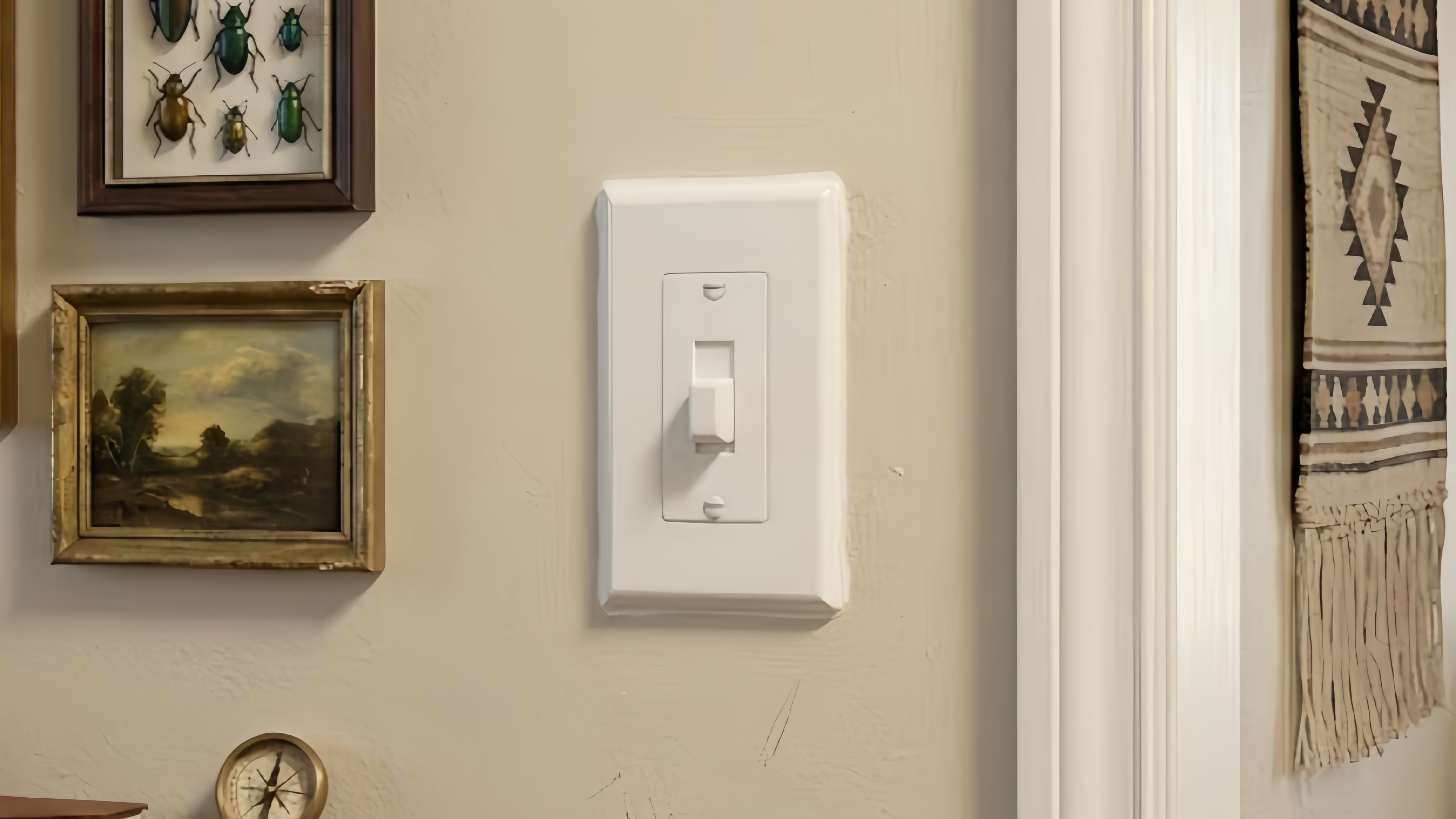
I always wire light switch types in three steps. First, I prepare. Next, I connect. Last, I test. Safety is very important. I use the correct tools. I check the diagrams. Bad switches or connections make lights flicker. They can cause circuits to fail. Bad wiring can start home fires every year. I check if everything fits. I follow instructions to stay safe.
About 26% of home electrical problems are from bad switches or connections.
Bad wiring causes more than 50,000 home fires each year.
If I am not sure, I ask a professional. I never hurry the process.
Key Takeaways
Always get ready before you start wiring. Collect the right tools and materials so you stay safe and organized.
Turn off the power first and make sure it is really off before you touch any wires. This step keeps you safe from electrical shocks.
Check all connections again after you finish wiring. Make sure wires are tight and secure so you do not have electrical problems.
Prepare for Light Switch Wiring Safety
Gather Tools and Materials
I always start by gathering the right tools for wiring. I use a flathead and Phillips screwdriver, a voltage tester, and a wire stripper. I also keep wire nuts, electrical tape, and the correct replacement switch nearby. These tools help me handle all light switch types. I check that I have the right materials before I begin. This step keeps my work organized and supports safety.
Tip: I keep a flashlight handy in case the room gets dark after I turn off power.
Turn Off Power and Confirm
I never skip this step. I go to the breaker box and turn off power to the circuit I will work on. I use a voltage tester to make sure the wires are not live. This step protects me from shocks and follows safety protocols. I always double-check before I touch any wires. Safety comes first in every wiring project.
Identify Light Switch Types
I look at the switch and wiring to see which type I have. Single-pole switches have two terminals. Three-way switches have three terminals. Four-way switches have four. Dimmer switches let me adjust brightness. Sensor switches turn lights on or off when they detect movement. I match the new switch to the old one. I also check the wiring diagram for my light switch types.
When I use a dimmer, I make sure it matches my bulbs. Using the wrong dimmer with LED bulbs can cause flickering or buzzing. I only use dimmable LED bulbs on a dimmer circuit. If I see flicker or hear buzzing, I know there is a compatibility problem. I always check the packaging to make sure the dimmer and bulbs work together. This step improves safety and keeps my wiring working well.
Compatibility Issue |
Description |
|---|---|
Wrong Dimmer Used |
Using a dimmer not designed for LED bulbs can lead to early failure of bulbs. |
Dimming Requirements |
Many LEDs can be dimmed, but only if they are made for dimming. |
Compatibility Check |
I always verify that the LED bulb supports dimming and matches the dimmer. |
Flicker and Buzzing |
Flicker or buzzing means there is a compatibility problem. |
I always review the wiring diagram before I start. This helps me wire all light switch types safely and correctly.
Light Switch Wiring Steps
Connect Wires by Switch Type
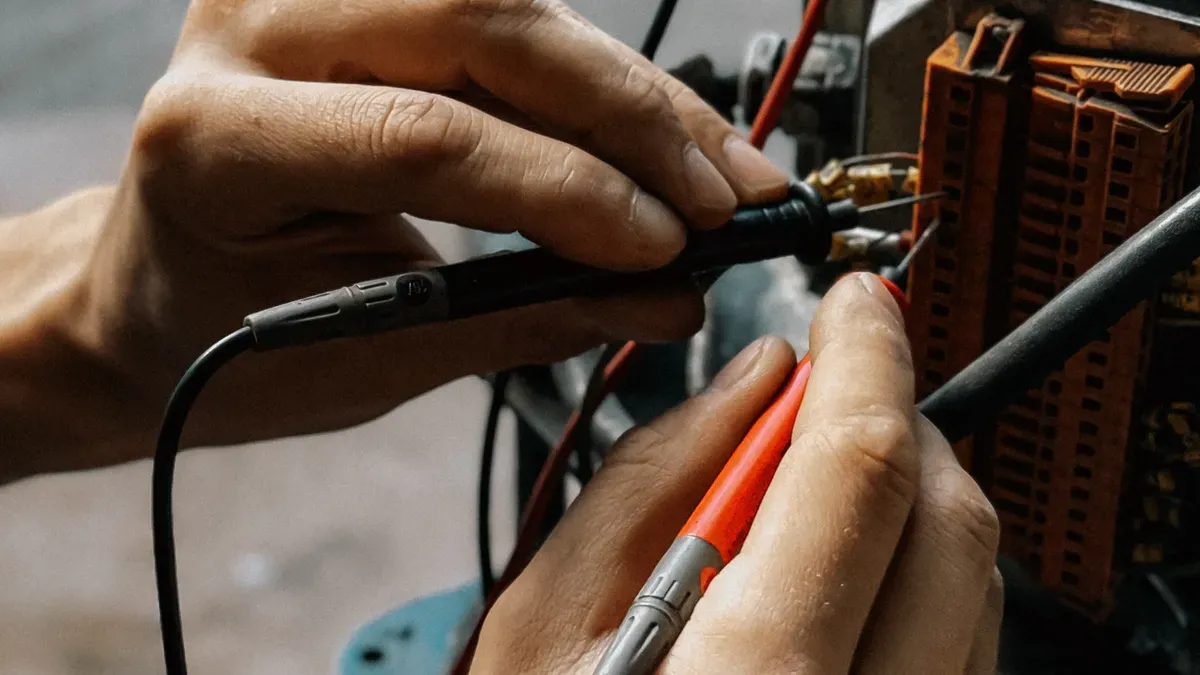
I always start light switch wiring by matching the wires to the correct terminals. Each type of electrical switches has its own method. I follow the wiring diagram for my installation. Here is how I connect the wires for each type:
Single Pole Switch
A single pole switch is the most common type. It controls one light from one location. I see two brass screws and a green grounding screw. I connect the black (hot) wire to one brass screw and the other black or red wire to the second brass screw. I attach the bare copper or green wire to the grounding screw. I always remember grounding first for electrical safety. I use wire nuts to secure any unused wires.
Three-Way Switch
A three-way switch lets me control a light from two locations. I see three terminals: one common (usually black) and two travelers (usually brass). I connect the black (hot) wire to the common terminal. I attach the two traveler wires to the brass screws. I connect the ground wire to the green screw. I check the wiring diagram to make sure I do not mix up the traveler wires.
Four-Way Switch
A four-way switch works with two three-way switches to control a light from three or more locations. I see four terminals. I connect the two traveler wires from one three-way switch to one pair of terminals. I connect the other two traveler wires from the second three-way switch to the other pair. I attach the ground wire to the green screw. I always check the wiring diagram for this type of electrical switches.
Dimmer Switch
A dimmer switch lets me adjust the brightness of the light. I check that my dimmer matches my bulbs. I connect the black (hot) wire to the black wire on the dimmer. I connect the other black or red wire to the second wire on the dimmer. I attach the ground wire to the green screw or green wire. Some dimmer switches have a third wire for three-way switches. I follow the instructions for wiring the hot connections and always use wire nuts.
Sensor Switch
A sensor switch turns the light on or off when it senses movement. I connect the black (hot) wire to the black wire on the sensor. I connect the load wire (usually red) to the light. I attach the ground wire to the green screw. Some sensor switches need a neutral wire (white). I check the wiring diagram and follow the instructions for my installation.
Tip: I always use wire nuts to cover exposed wires. This step prevents shorts and improves safety.
Secure and Double-Check Connections
After I finish wiring, I always double-check every connection. I tug gently on each wire to make sure it is tight. I look for loose wires or exposed copper. I use electrical tape to cover wire nuts and secure the wires inside the box. I make sure the ground wire is attached to the green screw. I check that all screws are tight. I never rush this step because safety matters most in light switch wiring.
I use this checklist before I move on:
All wires are connected to the correct terminals.
Wire nuts are tight and secure.
No copper is exposed outside the wire nuts.
The ground wire is attached.
The switch is firmly mounted in the box.
If I see any loose wires or signs of damage, I fix them before I continue. I know that 26% of electrical issues come from faulty switches or loose connections. I always make sure my wiring is safe before I finish.
Test Switch and Ensure Safety
When I finish wiring, I put the switch and cover plate back in place. I restore power at the breaker. I test the switch by turning it on and off. I check that the light works as expected. If I use a dimmer, I test the dimming function. If I use a sensor, I check that it detects movement.
If the light flickers or does not work, I follow these troubleshooting steps:
I check for faulty wiring or worn mechanisms in the switch.
I look for signs of overheating or internal damage.
I replace outlets or switches if they are loose, discolored, or warm.
I also follow this order:
I inspect for loose connections. I know that faulty switches cause many electrical problems.
I make sure the wiring is not frayed. Faulty wiring can cause home fires.
I check the circuit breaker. I consider replacing dimmer switches if needed.
Proper diagnosis of flickering lights and non-responsive switches starts with a visual inspection for loose connections. This simple step can prevent costly repairs and keep my home safe.
If I cannot fix the problem, I call an electrician. I never ignore signs of trouble. I always put safety first in every light switch wiring project. If I feel unsure, I call an electrician to check my work. Electrical safety is too important to risk.
Note: I always secure the switch and cover plate before restoring power. This step protects me from accidental contact with live wires.
I take pride in my work. I know that careful wiring and attention to safety help prevent problems with all types of electrical switches. I always follow the wiring diagram and instructions for my installation. I never skip steps, and I always check my work before I finish.
I use three steps when wiring: prepare, connect, and test. I always check my work to stay safe. Home electrical safety is very important to me. Some people have trouble with smart switches or tricky wiring. I make sure switches are clean and look at them often. I feel good about doing safe DIY projects.
-
Reasons to ask for help from a pro:
Not enough experience with electrical work
Picking the wrong switch or having problems with fit
Trouble with the steps for installation
Tip: I read guides about smart switches and compatibility to learn more.
I clean switches every week in busy rooms.
I look for cracks on the plates.
I change broken plates right away.
I use a damp cloth so I do not get things too wet.
I make sure plates fit the switches well.
FAQ
How do I know if my switch works with smart switches?
I check the wiring and the compatibility chart. Some smart switches need a neutral wire. I always read the instructions before I install a smart switch.
Can I use smart switches with any light fixture?
I look at the light fixture and bulb type. Some smart switches only work with certain bulbs. I always match the smart switch to the right light for best results.
What should I do if my light flickers after installing a smart switch?
I check the bulb and the smart switch compatibility. Sometimes, the wrong bulb causes flickering. I use dimmable bulbs with smart switches for smooth light control.
Tip: I always update the smart switch firmware for better performance and fewer light issues.
Share:
10 Mistakes to Avoid with Fixture Light Outdoor Placement
Best Outdoor House Lights: Which Type is Right for You in 2026?