
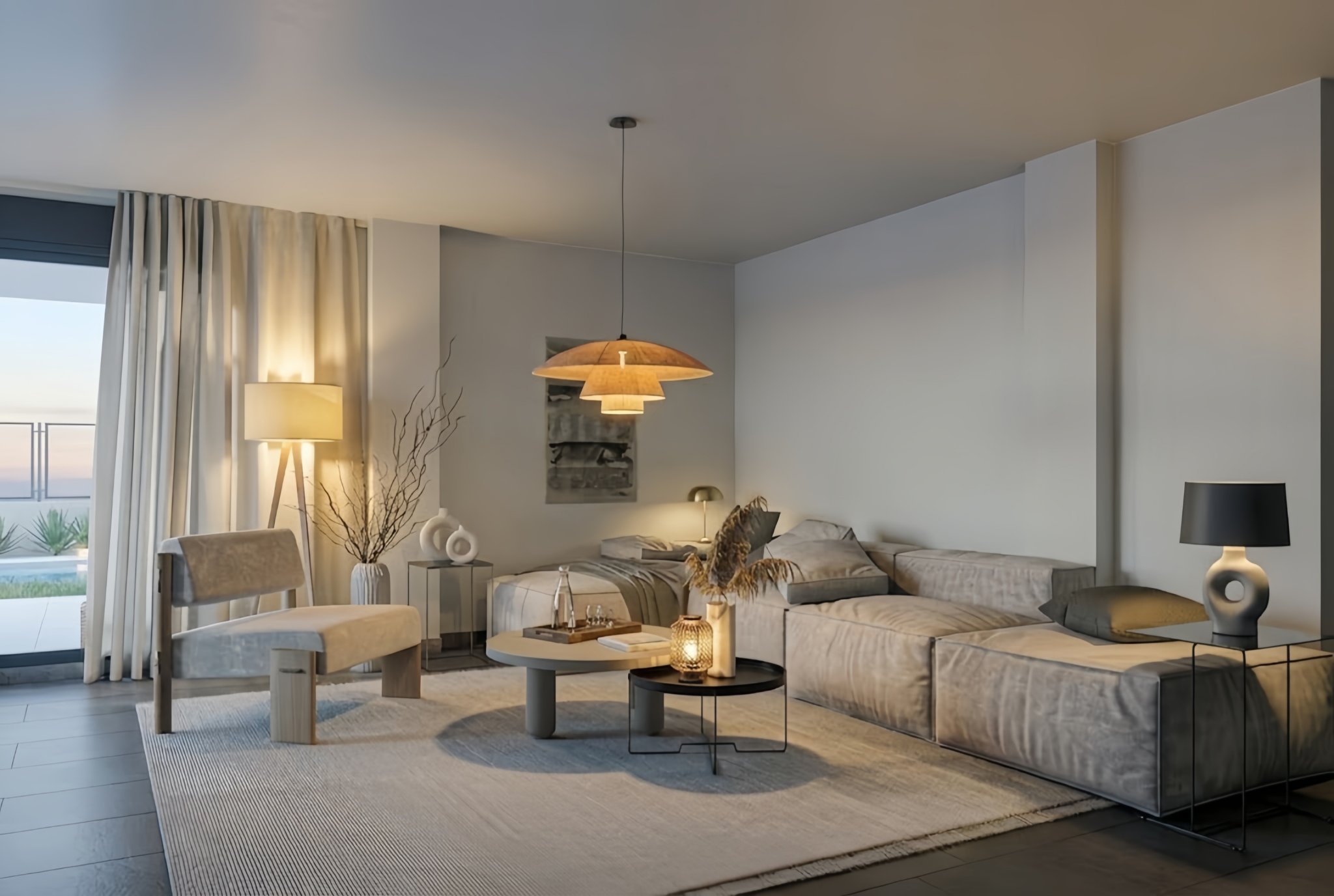
Quick Answer: How Do You Properly Light a Living Room?
The best way to light a living room is to combine different layers of lighting instead of relying on only one ceiling fixture. A well-designed living room usually needs three types of lighting: ambient lighting for overall brightness, task lighting for activities such as reading or working, and accent lighting for highlighting architectural features or décor.
For most homes, ceiling lights for living room spaces should provide comfortable general illumination with a warm color temperature around 2700K–3000K, while additional lamps or wall lights help create depth and flexibility. The ideal brightness depends on room size, ceiling height, wall colors, and how the room is used.
Introduction: Why Living Room Lighting Is Harder Than It Looks
The living room is often the most multifunctional space in an American home. It may be used for watching TV, entertaining guests, reading, working remotely, relaxing after dinner, or spending time with family. Because one room serves multiple purposes, lighting it correctly is more complicated than simply installing the brightest ceiling light available.
Many homeowners make the same mistake: they choose a beautiful fixture first and think about lighting performance later. However, good living room lighting is not only about appearance. It is about creating the right balance between brightness, comfort, atmosphere, and functionality.
After researching lighting standards and studying how professional designers approach residential spaces, I found that the most effective living room lighting plans usually follow one basic rule:
A ceiling light should create the foundation, but it should not be responsible for doing every lighting job in the room.
1. Understand the Three Layers of Living Room Lighting
One of the most important concepts in residential lighting design is layered lighting. Instead of depending on a single light source, designers combine multiple lighting types to create a more natural and comfortable environment.
According to the principles used by professional lighting designers, layered lighting typically includes:
Ambient Lighting: The Main Source of General Illumination
Ambient lighting provides overall visibility throughout the room. In many homes, this comes from:
ceiling lights
chandeliers
flush mount ceiling lights
recessed lighting
ceiling fans with integrated lights
When people search for ceiling lights for living room, they are usually looking for ambient lighting because the ceiling fixture becomes the primary source of illumination.
However, ambient lighting alone can make a room feel flat. A ceiling fixture placed in the center of the room may illuminate the floor area while leaving corners, artwork, shelves, or seating areas visually disconnected.
This is why professional designers usually combine ceiling lighting with additional fixtures.
Task Lighting: Lighting Designed Around Activities
Task lighting provides focused illumination for specific activities.
Common examples include:
table lamps on side tables
reading lights
adjustable wall sconces
For example, a person reading a book on a sofa needs more focused light than someone simply walking through the room.
A common mistake is increasing the brightness of the ceiling fixture when the real problem is that the room lacks task lighting.
A brighter ceiling light does not always create a more comfortable environment. Sometimes it creates glare and eye fatigue instead.
Accent Lighting: Adding Depth and Visual Interest
Accent lighting is often overlooked in residential spaces, but it can significantly improve the appearance of a living room.
Accent lighting can highlight:
artwork
plants
fireplaces
architectural details
decorative shelves
The purpose is not simply brightness. It creates contrast and helps the room feel more intentional.
A living room with only one overhead light often feels like every object is equally important. Accent lighting creates hierarchy by guiding attention.
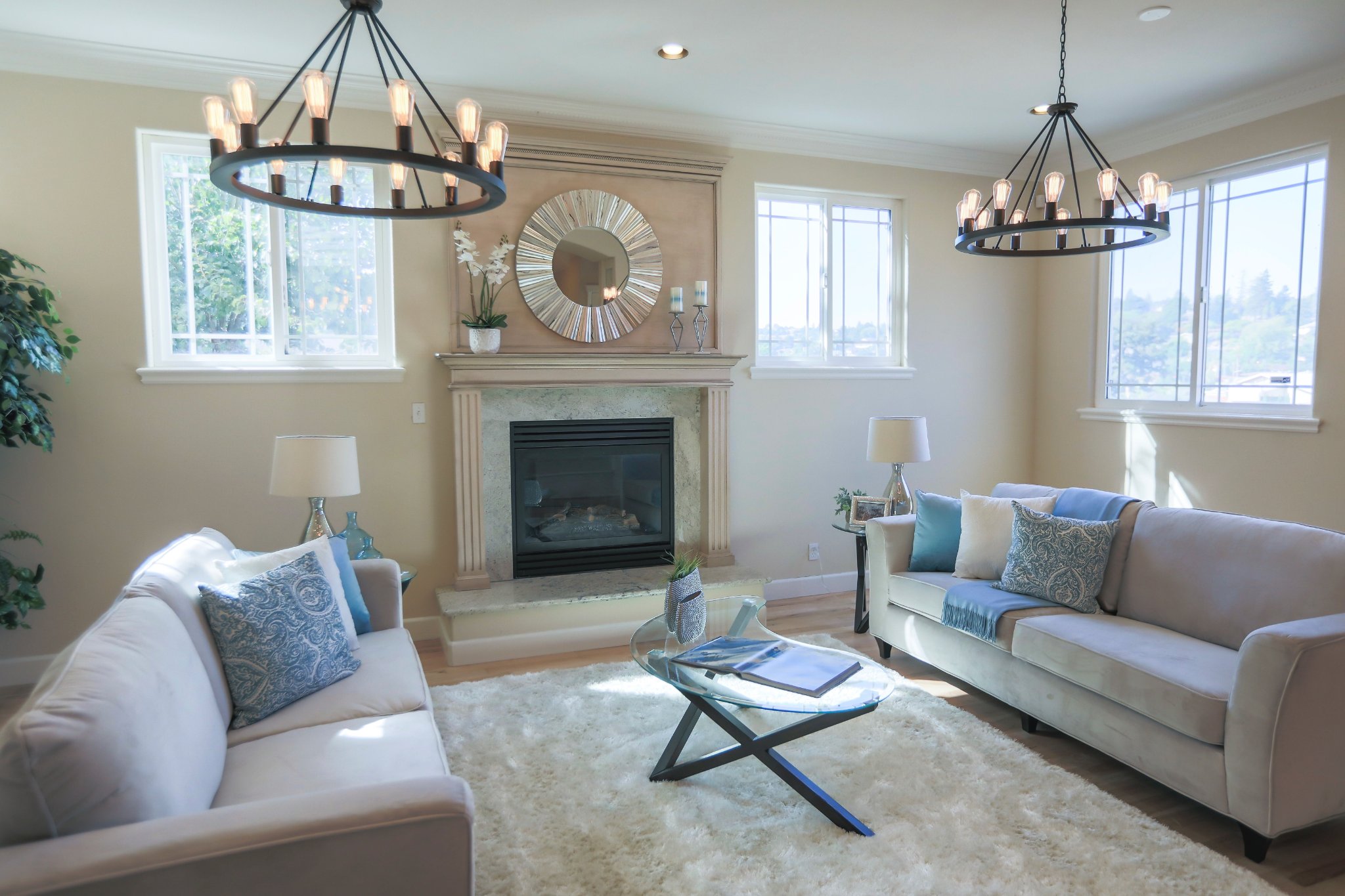
2. How to Choose Ceiling Lights for Living Room Size
Choosing the correct ceiling light size is one of the biggest challenges homeowners face.
A fixture that is too small may disappear visually and fail to provide enough illumination. A fixture that is too large can overwhelm the room and make the ceiling feel lower.
Small Living Rooms
For smaller living rooms, especially apartments or rooms under approximately 150 square feet, homeowners usually benefit from:
compact flush mount ceiling lights
semi-flush ceiling fixtures
smaller pendant-style ceiling lights
The goal is to maximize brightness without making the ceiling feel crowded.
Low-profile fixtures are especially useful for homes with standard 8-foot ceilings.
Medium Living Rooms
Many American living rooms fall into the medium-size category.
For these spaces, a balanced lighting plan usually includes:
one appropriately sized ceiling fixture
one or two floor lamps
optional wall lighting
A common sizing guideline used by designers is to measure the room length and width in feet, add those numbers together, and convert that total into inches for an approximate fixture diameter.
For example:
A 12 ft × 14 ft room:
12 + 14 = 26
A ceiling fixture around 26 inches in diameter may provide a visually balanced starting point.
This is not a strict rule because ceiling height, furniture arrangement, and fixture design also affect the final choice.
Large or Open-Concept Living Rooms
Open-concept homes create another challenge because the living room may connect directly with dining areas or kitchens.
In larger spaces, one ceiling light often creates uneven illumination.
Better solutions include:
multiple ceiling fixtures
recessed lighting combined with decorative fixtures
layered lighting zones
The goal is not making every corner equally bright. The goal is creating comfortable lighting areas.
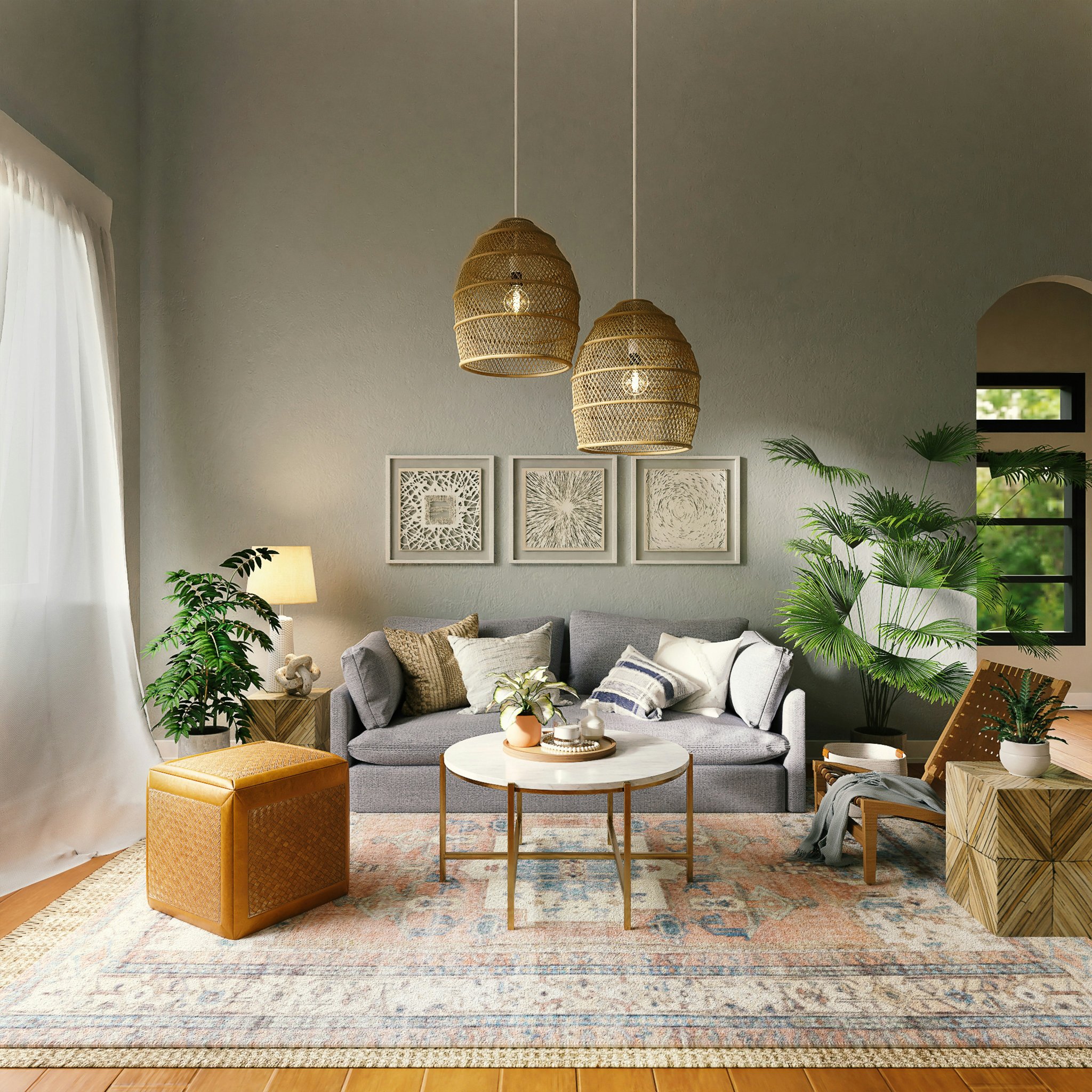
3. What Color Temperature Is Best for a Living Room?
Color temperature strongly affects how a living room feels.
Measured in Kelvin (K), color temperature describes whether light appears warmer or cooler.
Common residential choices include:
Color Temperature |
Appearance |
Suitable For |
|---|---|---|
2700K |
Warm yellow-white |
Relaxing living rooms, traditional interiors |
3000K |
Soft warm white |
Most modern homes |
4000K |
Neutral white |
Work areas, contemporary spaces |
5000K+ |
Cool daylight |
Usually better for garages or workspaces |
For most living rooms, 2700K–3000K is the most comfortable range because it creates a relaxing atmosphere similar to traditional incandescent lighting.
Research in environmental psychology has shown that lighting color can influence mood, comfort perception, and human behavior. Cooler lighting can feel more energetic, while warmer lighting is often associated with relaxation.
This is why many hospitality spaces, restaurants, and residential interiors prefer warmer lighting environments.
4. How Many Lumens Do Ceiling Lights for Living Room Need?
Brightness should be measured by lumens rather than watts.
Watts measure energy consumption, while lumens measure actual light output.
A general residential guideline is that living rooms often require approximately 10–20 lumens per square foot for ambient lighting, depending on:
room size
wall color
ceiling height
furniture placement
personal preference
For example:
A 200-square-foot living room may require roughly:
200 × 10–20 lumens
= approximately 2,000–4,000 lumens of total illumination.
However, this does not mean one ceiling light should provide all of that brightness.
A better approach is distributing light:
ceiling fixture: general illumination
floor lamps: reading areas
accent lights: decorative highlights
This creates a more flexible environment.
Organizations such as the Illuminating Engineering Society emphasize that lighting quality depends not only on quantity of light but also on factors such as glare control, visual comfort, and distribution.
5. My Experience: What I Learned When I Redesigned My Living Room Lighting
When I first updated my living room lighting, I assumed the solution was simple: replace the old ceiling fixture with a brighter one. The room always felt a little dark in the evening, so I thought adding more brightness would solve the problem.
However, after living with the new fixture for a few weeks, I realized the problem was not actually a lack of light. The problem was that the room had only one type of light source.
The ceiling light was bright enough in the center of the room, but the corners still felt empty. My reading chair near the window needed more focused illumination, and the wall behind the sofa looked flat because there was no light creating depth.
I eventually changed my approach and started thinking about the room in lighting zones.
Instead of asking:
“How bright should my ceiling light be?”
I started asking:
“What activities happen in each area of my living room?”
This small change completely improved the way the room felt.
I kept the ceiling fixture as the main ambient light source, but I added softer lighting near seating areas and used decorative lighting to highlight important parts of the room.
The biggest lesson I learned was that a comfortable living room does not need to be uniformly bright. It needs balanced lighting.
Another thing I noticed was color temperature. My first light source was closer to a cool white tone, which made the room feel less relaxing at night. After switching to a warmer 3000K light, the space immediately felt more comfortable and closer to the atmosphere people expect in a living room.
This experience changed how I think about choosing ceiling lights for living room spaces. The best fixture is not necessarily the brightest or the most visually impressive one. It is the fixture that works together with the entire lighting environment.
6. Should a Living Room Have Only One Ceiling Light?
A common question homeowners ask is whether a single ceiling light is enough for a living room.
The answer depends on the room size and how the space is used.
A small living room with minimal furniture may work well with one properly sized ceiling fixture. However, larger rooms usually benefit from multiple lighting sources.
There are several reasons:
One Ceiling Light Can Create Shadows
A central ceiling fixture mainly illuminates downward. Areas behind furniture, corners, and walls may receive less light.
This can make the room appear smaller.
Multiple Light Sources Create Flexibility
Different activities require different lighting levels.
For example:
Watching TV → softer ambient lighting
Reading → focused task lighting
Hosting guests → brighter general lighting
Evening relaxation → warmer decorative lighting
Using multiple lighting layers allows homeowners to adjust the atmosphere without replacing fixtures.
7. How to Combine Ceiling Lights With Other Living Room Fixtures
The most successful living room lighting designs usually combine different fixture types.
Ceiling Lights + Floor Lamps
This is one of the easiest combinations.
A ceiling light provides overall brightness, while a floor lamp creates a comfortable reading or conversation area.
This works especially well beside:
sofas
lounge chairs
bookshelves
Ceiling Lights + Wall Sconces
Wall sconces are useful because they add vertical illumination.
Vertical lighting helps walls feel brighter and can make a room appear larger.
They are especially effective for:
fireplaces
artwork
hallway connections
accent walls
Ceiling Lights + Table Lamps
Table lamps create small pools of light.
They are useful on:
side tables
cabinets
consoles
They also help create a more relaxed atmosphere during evenings when full brightness is unnecessary.
8. Common Mistakes When Choosing Ceiling Lights for Living Room
Many lighting problems happen because homeowners focus only on appearance.
Here are several common mistakes.
Mistake 1: Choosing a Fixture Based Only on Design
A beautiful ceiling light may not provide enough illumination.
Before purchasing, consider:
room dimensions
ceiling height
required brightness
light distribution
A fixture should match both the style and function of the room.
Mistake 2: Installing a Light That Is Too Small
A small fixture can look disconnected in a large room.
The ceiling light should have enough visual presence to balance the furniture scale.
Mistake 3: Using Only Cool White Lighting
Many homeowners choose cool white because it appears brighter.
However, excessive cool lighting can make a relaxing space feel more like an office environment.
For most living rooms, warmer lighting creates a more comfortable atmosphere.
Mistake 4: Ignoring Ceiling Height
Ceiling height affects both fixture style and installation.
For rooms with lower ceilings:
flush mount lights
semi-flush fixtures
are usually more practical.
For rooms with higher ceilings:
chandeliers
pendant fixtures
can add visual impact.
9. How Smart Controls Improve Living Room Lighting
Modern living rooms increasingly use smart lighting controls because they allow homeowners to adjust lighting based on different activities.
Useful features include:
Dimming
Dimmers allow homeowners to reduce brightness during movie nights or increase brightness when cleaning.
The ability to adjust brightness is often more useful than simply installing a higher-output fixture.
Adjustable Color Temperature
Some modern LED ceiling lights allow users to switch between:
warm white
neutral white
cool white
This gives homeowners flexibility throughout the day.
For example:
Morning:
neutral lighting can support alertness
Evening:
warmer lighting can create a relaxing environment
Quick Checklist: Choosing Ceiling Lights for Living Room
Before buying a ceiling light, ask:
✅ Is the fixture suitable for my room size?
✅ Does it provide enough ambient illumination?
✅ Does the color temperature match the mood I want?
✅ Can I combine it with floor lamps or wall lights?
✅ Does the fixture support dimming?
✅ Is the design proportional to my ceiling height?
Final Answer: What Is the Best Way to Light a Living Room?
The best living room lighting design is not based on one powerful ceiling fixture. A comfortable living room combines ceiling lights for general illumination with task lighting and accent lighting to create flexibility, visual comfort, and atmosphere.
When choosing ceiling lights for living room spaces, focus on room size, brightness, color temperature, and how you actually use the space. A well-planned lighting system should support everyday activities while making the room feel welcoming.
FAQs About Ceiling Lights for Living Room
1.What size ceiling light is best for a living room?
The best size depends on room dimensions, ceiling height, and furniture scale. A common guideline is adding the room length and width in feet, then converting that number into inches as an approximate fixture diameter.
2.How bright should ceiling lights for living room be?
Most living rooms need approximately 10–20 lumens per square foot for general illumination, although the exact amount depends on room conditions and personal preference.
3.Is warm white or cool white better for a living room?
Warm white between 2700K and 3000K is generally preferred because it creates a comfortable and relaxing residential atmosphere.
4.Can one ceiling light illuminate a large living room?
A single ceiling light may not provide balanced illumination in a large living room. Larger spaces usually benefit from layered lighting using ceiling fixtures, lamps, and accent lighting.
5.Are LED ceiling lights good for living rooms?
Yes. LED ceiling lights are popular because they offer energy efficiency, long lifespan, and flexible design options.
Share:
How to Add Mid Century Modern Lighting to Any Room
Bedroom Lighting Guide: Ceiling, Bedside, Reading & Wall Lighting for a Comfortable Room